
Stubborn Child Solutions: How to Handle Stubborn Behavior Peacefully 2026


Stubborn Child Solutions
Stubborn Child Solutions: How to Handle Stubborn Behavior Peacefully
Learn why children show stubborn behavior and how to manage it peacefully with research-backed, practical parenting strategies.
Table of Contents
Why Kids Become Stubborn
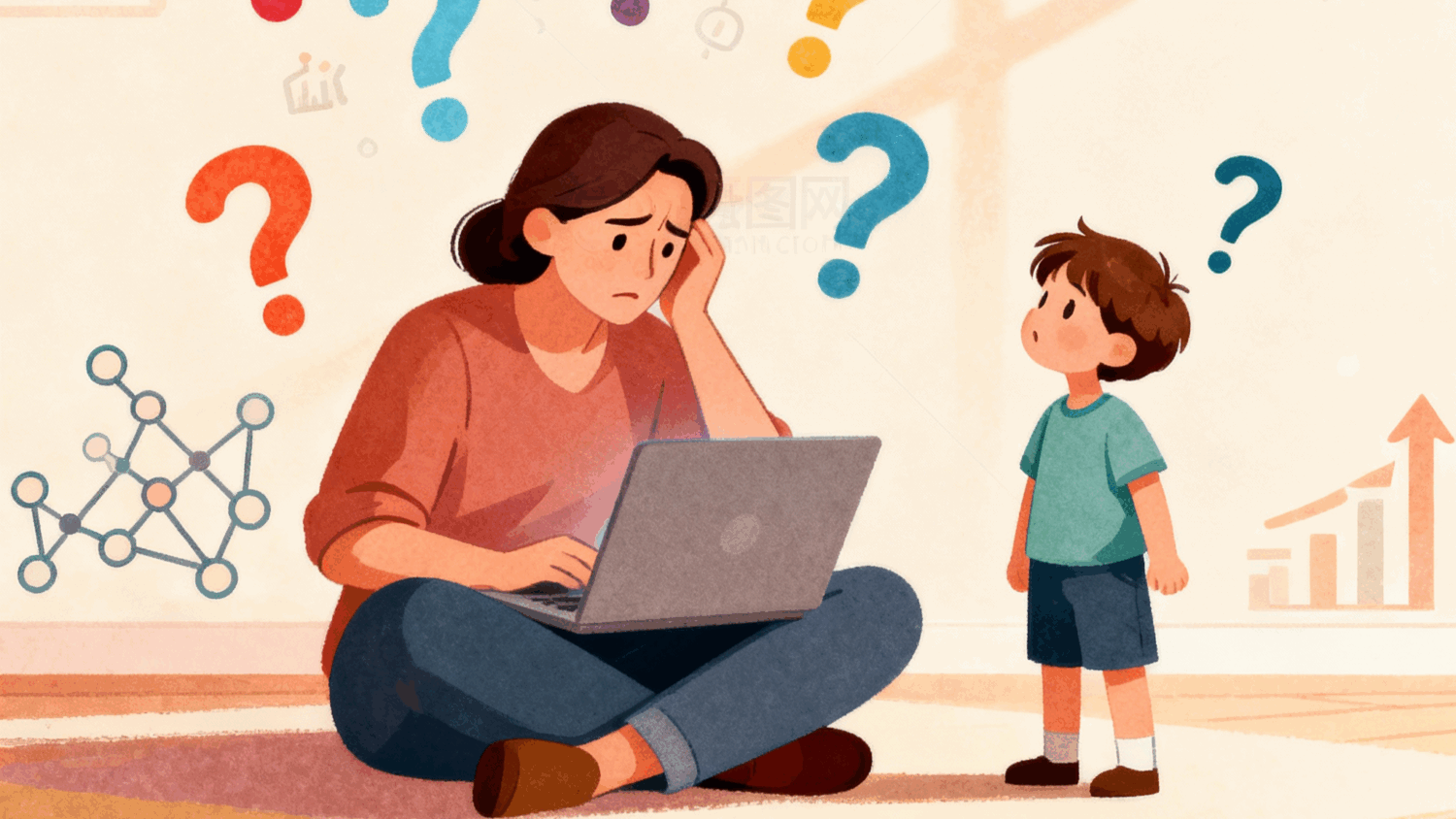
Stubborn behavior is not “bad behavior.” It is a natural developmental phase where children begin exploring independence and testing boundaries. Research shows that toddlers (ages 2–5) and young kids often use stubbornness to express needs, frustration, or emotional overwhelm.
- Growing desire for independence
- Testing boundaries (normal developmental stage)
- Overstimulation or tiredness
- Lack of emotional vocabulary
- Feeling unheard or controlled
- Copying adults with strong personalities
Signs of Stubborn Behavior in Children
Common signs include:
- Refusing instructions repeatedly
- Saying “NO” to every request
- Arguing or challenging authority
- Tantrums when facing limits
- Insisting on doing things their way
- Not cooperating with routines
Parenting Mistakes That Increase Stubbornness
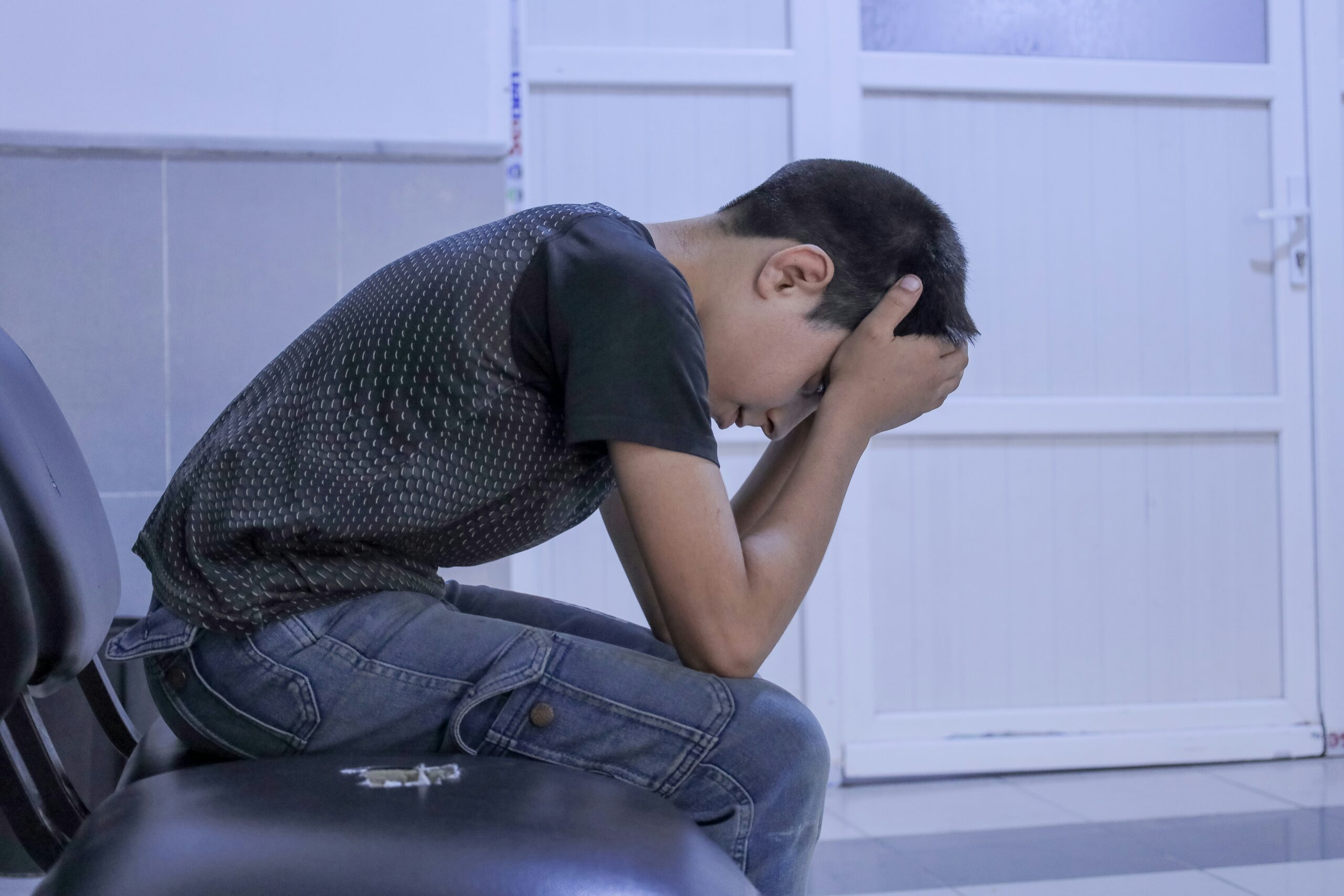
Many parents unintentionally reinforce stubborn behavior without realizing it. Understanding these common mistakes helps you replace conflict with cooperation.
- Using too much control: Kids resist when they feel overpowered.
- Shouting or arguing: Increases stubbornness due to emotional overload.
- Not giving choices: Makes the child feel unheard or powerless.
- Inconsistent rules: Confuses kids and encourages defiance.
- Comparing with other kids: Damages self-esteem and triggers resistance.
Behavioural studies from the American Psychological Association (APA) show that kids become more cooperative when parents use calm communication instead of force. Children model emotional behavior from parents—if parents remain calm, cooperation increases naturally.
Peaceful Ways to Handle Stubborn Behavior (Scientifically Proven)
Stubbornness should be handled with patience, empathy, structure, and calm guidance. These are the top proven methods used by child psychologists worldwide.
1. Offer Choices — Not Commands
Giving small choices helps kids feel in control, reducing stubborn resistance. For example:
- “Do you want to wear the blue shirt or red shirt?”
- “Should we do homework now or after a 10-minute break?”
Research shows that offering choices increases cooperation by up to 68%.
2. Stay Calm During Conflict
Kids mirror emotional states. If parents shout, children resist harder. Calm tone = faster cooperation.
Use soft speaking, slow breathing, and low volume.
3. Use Positive Reinforcement
Reward cooperation with appreciation:
- “I like how nicely you listened.”
- “You made a great choice!”
Positive reinforcement strengthens desired behaviour.
4. Set Predictable Routines (Kids Understand Predictability)
Clear routines for sleeping, eating, homework, and play reduce arguments and power struggles.
5. Listen Before You Respond
Many stubborn reactions come from feeling unheard. Use:
- “I understand you want to play more.”
- “Tell me what happened.”
Validation reduces emotional resistance by calming the child’s brain.
6. Teach Emotional Vocabulary
Kids become stubborn when they cannot express feelings. Teach simple words:
- Angry
- Sad
- Frustrated
- Confused
This helps them communicate instead of resisting.
7. Keep Instructions Short & Simple
Long explanations overwhelm kids—causing stubborn responses. Use short, clear instructions under 7–10 words.
8. Avoid Power Struggles
Arguing makes children more rigid. Step back, breathe, and re-approach calmly after 1–2 minutes.
Age-Wise Solutions for Stubborn Behavior
Stubbornness looks different at each stage of childhood. Using age-appropriate solutions makes parenting easier and more effective.
★ Toddlers (1–3 Years)
This is the “NO!” phase. Toddlers are discovering independence and may refuse almost anything. Their brain is not ready for logic — they respond to tone, routine, and affection.
- Use distraction instead of arguing
- Keep instructions very short (4–5 words)
- Offer choices (“banana or apple?”)
- Use hugs to calm emotional storms
- Create predictable routines (sleep, meals, play)
★ Preschoolers (3–5 Years)
Preschoolers are rule-testing. They want control but still need guidance. Behavioral experts recommend using structure + empathy.
- Explain limits calmly (“We don’t hit because it hurts.”)
- Use timers for transitions
- Model polite behavior (“Please try again nicely.”)
- Reward good listening with praise
- Teach emotional words: “angry”, “frustrated”, “sad”
★ Early School Age (6–9 Years)
Kids in this age group can understand simple logic, but stubbornness occurs when they feel rushed, unheard, or compared to others.
- Give clear expectations and reasons
- Let them participate in decisions
- Use problem-solving language (“What can we do together?”)
- Create responsibility charts
- Avoid comparing with siblings or friends
★ Pre-Teens (10–12 Years)
Pre-teens seek independence and control. Stubbornness rises when they feel over-controlled or not respected.
- Give them ownership (choose rewards, schedule order)
- Ask for their opinions
- Discuss consequences instead of threatening
- Encourage journaling or expression methods
- Use calm negotiation
★ Teenagers (13–17 Years)
Teens resist when they feel judged or misunderstood. The key is to build a connection, not control.
- Use respectful tone — avoid lectures
- Set clear boundaries with reasons
- Allow privacy & independence
- Discuss choices like adults
- Focus on trust instead of punishment
What NOT to Do With a Stubborn Child
Avoiding these common mistakes prevents stubborn behavior from becoming worse. These points are supported by child psychologists and behavior therapists.
- ❌ Do NOT shout or argue: It increases emotional resistance.
- ❌ Avoid punishments for every mistake: Over-punishing makes kids defensive.
- ❌ Never embarrass the child: Public scolding damages confidence.
- ❌ Don’t compare siblings: Comparison builds resentment & more resistance.
- ❌ Avoid labeling them as “bad” or “stubborn”: Labels become identity.
- ❌ Don’t force your decision every time: Kids need controlled independence.
- ❌ Don’t ignore emotional needs: Stubbornness often hides frustration or sadness.
A study by the American Academy of Pediatrics (AAP) shows that harsh discipline increases aggression and stubborn behavior in young children. Gentle parenting techniques result in higher cooperation and emotional maturity.
Expert-Backed Techniques to Reduce Stubbornness
These techniques are widely used by child psychologists, teachers, and parenting counselors. They focus on building connection, communication, and cooperation.
1. The “Choice-Within-Limits” Method
Instead of giving unlimited freedom, offer 2–3 approved choices. This maintains structure while giving independence.
Example: “Do you want homework before or after your snack?”
2. The “Pause Before Reacting” Method
When kids resist, take a 3–5 second pause. This reduces emotional escalation and gives the child space to calm down.
This technique is taught in behavioral therapy as it breaks the react–resist cycle.
3. The “Connect Before You Correct” Technique
When children feel emotionally connected, they cooperate faster.
Start with empathy → then explain your rule.
Example: “I know you want to play more… but now we need to eat.”
4. Use Natural Consequences (Not Punishments)
Instead of scolding, let children learn from natural outcomes. Example: If they refuse to wear a jacket, they feel a bit cold — and learn.
5. Use Visual Charts & Routines
Kids respond better when they can “see” their tasks. Use picture charts for routines like:
- Morning routine
- Homework checklist
- Bedtime steps
- Behavior reward chart
6. Reduce Screen Time to Improve Behavior
Scientific studies show that high screen exposure increases irritability and stubbornness.
Target: Under 1 hour/day for ages 2–5 (WHO guidelines)
7. Use “When–Then” Statements
A simple structure that works instantly:
Example: “When you finish eating, then you can play.”
Bonus: Daily Routine to Reduce Stubbornness
Use this routine to reduce emotional chaos and increase cooperation.
- ✨ Set fixed waking & sleeping time
- ✨ Add calm morning time (no rushing)
- ✨ Keep screen time limited
- ✨ Use physical play daily to release energy
- ✨ Include emotion-talk (5 minutes/day)
- ✨ Appreciation ritual at night
Frequently Asked Questions (FAQ)
1. Why is my child so stubborn?
Stubborn behavior is usually linked to growing independence, emotional overwhelm, boundary testing, or wanting attention. It is normal but needs gentle guidance.
2. Is stubbornness a sign of intelligence?
Yes, many psychologists say stubborn kids have strong willpower, leadership traits, and independent thinking. The goal is to channel it positively.
3. What should I do when my child says “NO” to everything?
Offer choices, simplify instructions, stay calm, and avoid power struggles. The more you argue, the more resistance increases.
4. Can stubbornness be reduced with routines?
Yes. Predictable routines make kids feel secure, reducing emotional resistance.
5. How do I deal with stubborn behavior in public?
Stay calm, take the child aside, use soft tone, validate feelings, and avoid scolding in front of people to protect confidence.
6. Should I punish a stubborn child?
No. Harsh punishments increase resistance. Use natural consequences and calm guidance instead.
7. Do stubborn kids grow out of it?
Yes, with the right emotional support and structure, stubbornness reduces over time and turns into self-confidence and decision-making skills.
8. Is stubbornness related to ADHD?
Not always. But if stubborn behavior includes distractibility, hyperactivity, or impulsive behavior, a pediatric evaluation may help.
9. How do I stay patient with a stubborn child?
Use deep breathing, pause-before-reacting method, and emotional detachment. Patience grows with practice and understanding the child’s needs.
10. When should I seek professional help?
If stubborn behavior affects school, sleep, relationships, or shows aggression, consider consulting a child psychologist or pediatrician.
Verified Official Sources
These trusted, research-based organizations provide accurate parenting and child behavior information:
- World Health Organization (WHO)
- American Psychological Association (APA)
- American Academy of Pediatrics (AAP)
- UNICEF – Child Development
- Child Mind Institute
Conclusion
Stubbornness is not a problem — it is a developmental milestone. With calm communication, empathy, routines, and positive parenting techniques, you can transform stubborn behavior into strong leadership and emotional strength.
Every child is different. What matters most is consistent patience, structured routines, and gentle guidance. Over time, stubbornness becomes self-control, independence, and confidence.