
Premium parenting guide
Strong Willed Child Parenting Guide 2026: A Science-Backed Blueprint for Cooperation Without Power Struggles
If your child argues, negotiates, refuses, or melts down when you push harder—this blueprint helps you shift from daily battles to calm cooperation without breaking their spirit.
Quick reassurance: A “strong willed child” isn’t a broken child. Strong will is often a mix of intense emotions, sensitivity to control, and a deep need for autonomy—skills that can become leadership and resilience when adults respond with structure + connection.
Many parents try “being stricter” when they’re exhausted—only to discover that strictness can accidentally create more resistance, more yelling, and more power struggles. This article gives you a practical, science-informed way to lead your child firmly, warmly, and consistently—especially when they push every limit.
Jump to what you need Tap to open

Hook-driven introduction: why this feels so hard (and so personal)
The goal isn’t “winning.” The goal is cooperation with dignity—so you keep your authority and your child keeps their self-respect.
If you’re parenting a strong willed child, you know the feeling: you ask nicely, your child refuses; you explain, they argue; you offer consequences, they escalate; you repeat yourself, they stare at you like you’re the one being unreasonable.
And then there’s the moment you hate most—the moment you raise your voice. Not because you want to. Because you ran out of tools that work fast.
You’re not weak. You’re overloaded.
Strong-willed kids create frequent “decision collisions”: shoes, bath, screen time, food, homework, bedtime, leaving the park, sharing, waiting. If you’re also managing work, family expectations, school pressure, or multiple caregivers, you’re handling conflict all day.
Here’s what changes everything: most power struggles aren’t really about the toy, the screen, the bath, or the homework. They’re about control, autonomy, and nervous system overload—on both sides.
Science insight: connection is brain-building, not “soft parenting”
Harvard’s Center on the Developing Child describes “serve and return” interactions—responsive back-and-forth exchanges—as crucial for shaping brain architecture and strengthening neural connections for communication and social skills.
Harvard also notes that the persistent absence of responsive interactions can disrupt developing brain architecture and activate the body’s toxic stress response.
What is a strong willed child? A strong-willed child is a child who has a strong drive for autonomy, persistent preferences, and intense emotional reactions—especially when they feel controlled, rushed, or misunderstood.
This guide gives you a complete blueprint: what the science says, how the developing brain explains the behavior, age-wise strategies, a no-shouting framework, scripts that work in real life, and routines that reduce daily conflict.
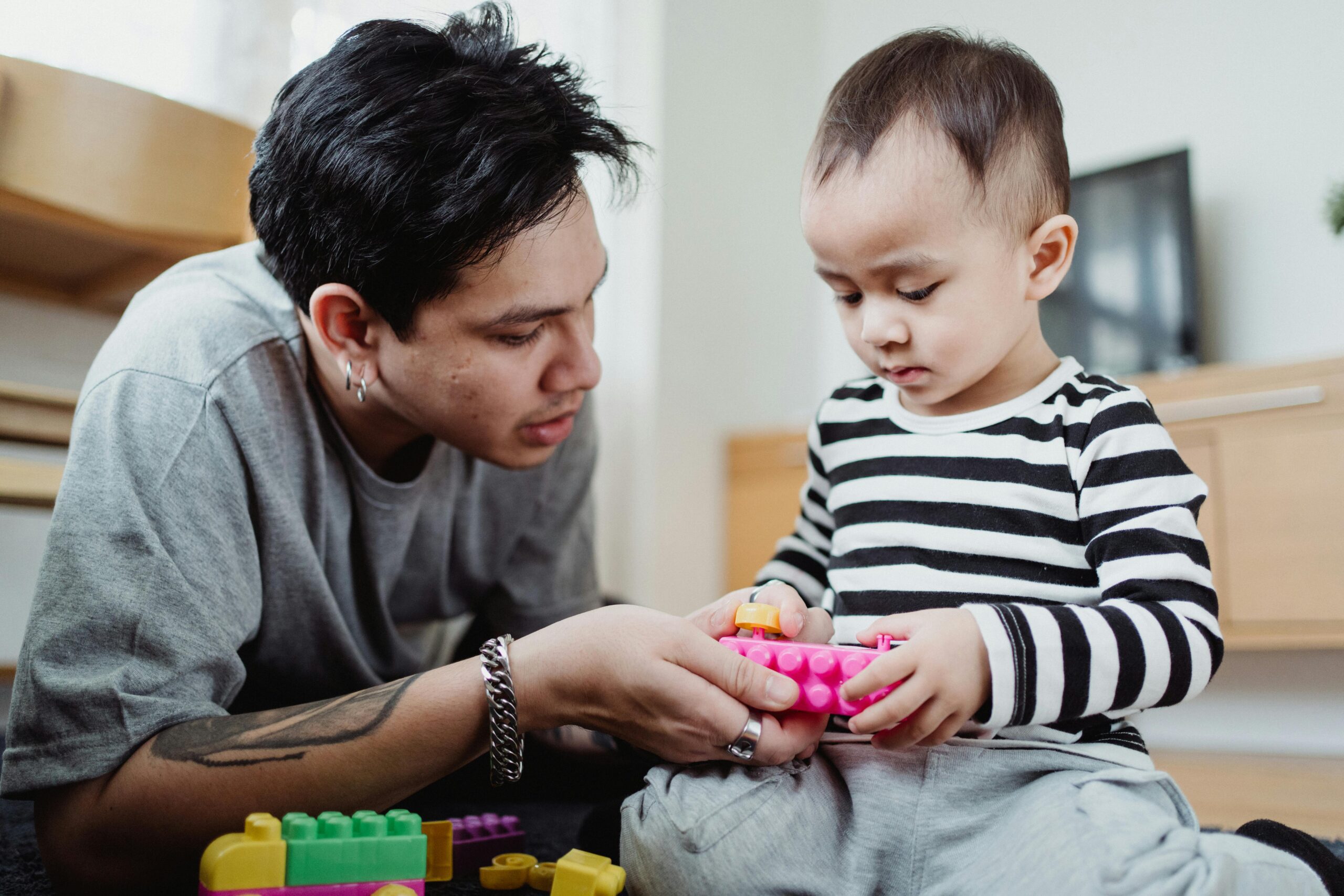
What science says about strong-willed children (temperament + environment)
“Strong-willed” isn’t a diagnosis. It’s a practical label parents use for a real pattern: intensity + persistence + autonomy needs.
In research language, the traits parents call “strong-willed” often overlap with temperament: emotional intensity, persistence, sensitivity to frustration, and a strong drive toward independence.
Temperament is partly biological, but behavior is shaped by context: sleep, hunger, transitions, sensory overload, stress at home, school demands, screen exposure, and the moment-by-moment interaction style between adults and child.
Why strong-willed kids trigger adults more
Strong-willed children tend to do three things that hit adult “buttons”: they say no loudly, they demand reasons, and they refuse to move on quickly.
That combination can make even calm parents feel disrespected, challenged, or “out of control”—especially in public or in front of relatives.
Evidence-based parenting skills are teachable
The CDC describes “Essentials for Parenting Toddlers and Preschoolers” as a free online resource designed for parents of toddlers and preschoolers, addressing common challenges like tantrums and whining with strategies such as positive communication, structure and rules, clear directions, and consistent discipline and consequences.
Strong will vs “bad behavior”: the hidden skill gaps
A child can want to cooperate and still fail at cooperating because the skills aren’t built yet. Common missing skills include: transitioning, waiting, tolerating disappointment, flexible thinking, calming the body, and using words under stress.
When we treat skill gaps like “attitude problems,” we tend to escalate. When we treat skill gaps like teachable skills, we tend to coach—and behavior improves.
Positive parenting strong willed child: Warm connection plus firm boundaries. You validate feelings, keep the limit, offer bounded choices, and follow through consistently—without humiliation or endless arguing.
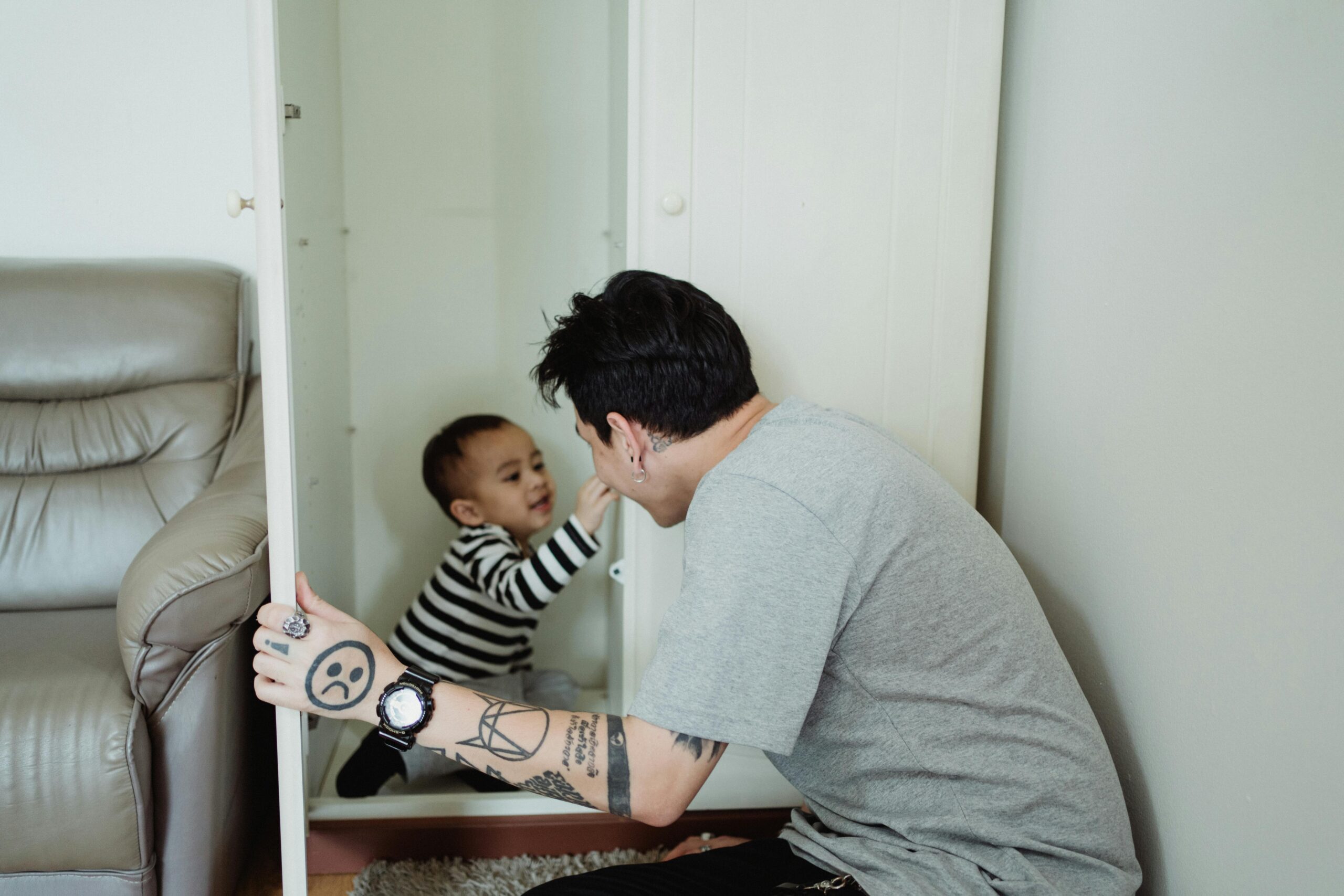
One data point that prevents panic
Intense behavior isn’t always pathology. In NIH-hosted research on tantrums and irritability, tantrums can occur in community samples too—what matters is severity, aggression, and impairment.
Study insight (simple language)
In one NIH-indexed study (2016), about 11% of children in the community sample had tantrums, while almost half (45.9%) of clinic-referred children had severe tantrums; in clinical settings, irritability was associated with aggressive tantrums and substantial impairment.
Translation for parents: frequency alone isn’t the only signal. Look at intensity, aggression, recovery time, and whether the child can function at home and school.
If you’re worried about persistent irritability, NIMH encourages starting with your pediatrician/healthcare provider for assessment and, if needed, a specialist evaluation.
- Harvard (Serve & Return): https://developingchild.harvard.edu/key-concept/serve-and-return/
- CDC parenting skills resource: CDC Essentials overview
- NIH/PMC tantrums & irritability study (2016): Loss of Temper and Irritability
- NIMH irritability guidance (webinar page): NIMH: Is your kid often angry, cranky, irritable?
Strong-willed vs defiant vs aggressive (comparison table)
Labels can mislead. Your job is to identify the pattern so you can choose the right response.
Tantrums vs strong will difference: Tantrums are usually a loss of control when a child’s brain is overwhelmed; strong will is persistence and a drive for autonomy that can show up even when calm. Strong-willed kids can have tantrums, but tantrums alone don’t equal strong will.
| Pattern | What you see | What it often means | What helps most |
|---|---|---|---|
| Strong-willed | Negotiates, refuses, argues “fairness,” wants choices, escalates when controlled | High autonomy need + intensity; trouble with transitions; low frustration tolerance under stress | Bounded choices, predictable routines, calm follow-through, respectful voice, fewer words |
| Defiant | Oppositional tone, “You can’t make me,” pushes buttons, frequent rule-breaking | Learned power-struggle pattern; possible shame, anxiety, or feeling powerless | Reduce debates, tighten consistency, increase connection, keep consequences predictable |
| Aggressive | Hits, bites, throws at people, threatens, destroys property | High arousal + weak inhibition; stress exposure; needs safety-first intervention | Immediate safety boundary, calm separation, teach replacement actions, seek help if persistent |
When to get extra help (practical red flags)
- Frequent aggression that doesn’t improve with consistent parenting changes
- Dangerous impulsivity, self-harm statements, or threats
- School refusal linked to intense anxiety or distress
- Sudden major behavior change after trauma, loss, or family violence
- Sleep problems that are severe and ongoing
If you’re unsure, start with your pediatrician/GP and a licensed child psychologist.
Brain development: prefrontal cortex, emotional regulation, and why your child can’t “just listen”
Your child isn’t being a “tiny adult.” They’re using a developing brain that’s still building inhibition, flexibility, and emotional control.
Strong-willed behavior often spikes when the brain is overwhelmed. In those moments, your child’s emotional systems flood the body with energy—while the “braking system” for inhibition and flexible thinking is still developing.
Science insight: inhibitory control emerges early, matures slowly
NIH-indexed research notes that effortful inhibitory control emerges roughly between ages 2 and 5 and continues to mature through childhood, alongside ongoing prefrontal development.
Translation: “Stop instantly” is often beyond a toddler’s current brain skill—especially when tired, hungry, overstimulated, or embarrassed.
A simple model: gas pedal vs brakes
- Gas pedal: big feelings, urgency, sensitivity, persistence, “must do it my way.”
- Brakes: pause, plan, choose words, tolerate frustration, shift gears.
Many strong-willed kids have a powerful gas pedal and still-growing brakes. The parenting job is to strengthen the brakes through co-regulation, routines, and practice—while not turning every “no” into a power contest.
What neuroscience adds (in parent language)
In developmental neuroscience, emotion regulation improves as children become better at engaging prefrontal systems to down-regulate negative emotions, with age-related changes in brain activation patterns.
Study example (ages 5–11): emotion regulation circuitry shifts with age
In an NIH/PMC paper (2007), fMRI work in 5- to 11-year-olds suggested older children more often recruited dorsal “cognitive” ACC regions, while younger children more often engaged ventral “emotional” ACC regions during emotion processing/regulation tasks.
Translation: as children grow, regulation becomes more “thinking-based”—but younger kids rely more on emotion-driven circuitry, so adult coaching matters.
Why shouting feels effective (but costs you later)
Shouting can stop behavior in the moment by triggering alarm. But it rarely teaches the missing skill: transitioning, frustration tolerance, calm communication, or accountability.
Over time, a shouting pattern can teach your child that volume equals power. It can also teach them to avoid, hide, or escalate.
Rule that saves your home
Regulation first, teaching second. When emotions are high, learning is low. Your first job is to bring the nervous system down; your second job is to teach what to do next time.

Age-wise solutions (what works at each stage)
The same parenting principle looks different at different ages: toddlers need structure and choices; school-age kids need collaboration; pre-teens need dignity-first boundaries.
Age 2–3: parenting strong willed toddler without daily shouting
Parenting strong willed toddler: Use fewer words, predictable routines, and two acceptable choices. Toddlers cooperate best when they feel safe, connected, and in control of small things.
At 2–3, “no” is developmental practice. Your child is learning they are separate from you, and strong-willed toddlers learn that lesson loudly.
What usually triggers battles at 2–3
- Transitions (play → bath, park → home, screen → off)
- Autonomy threats (“Do it now because I said so”)
- Overstimulation (noise, crowds, bright lights, long outings)
- Body needs (hunger, thirst, sleep debt, constipation)
Strong willed child age 3 solutions (fast tools)
- Two-choice leadership: “Shoes first or jacket first?”
- Preview + countdown: “Two more slides, then we go.”
- Playful cooperation: “Can your hands be robot hands to pick up blocks?”
- Offer micro-control: “You press the lift button.” “Pick the blue cup.”
- One-step direction: “Toys in box.” Then pause.
CDC-aligned skill focus (ages 2–4)
The CDC emphasizes positive communication, structure and rules, clear directions, and consistent discipline and consequences as core skills for toddler/preschool parenting challenges.
Tantrum response at 2–3 (do this, not that)
- Do: get close, lower voice, keep words minimal, name the feeling, keep the boundary.
- Don’t: lecture, threaten big punishments, argue mid-tantrum, or demand apologies while dysregulated.
Toddler scripts you can repeat
- “You’re mad. I’m here.”
- “I won’t let you hit. Hands safe.”
- “Choice: walk or I carry you.”
- “First diaper, then you choose the story.”
Remember: at 2–3 you’re not building obedience. You’re building predictability, safety, and early regulation skills.
Age 4–6: discipline strategies for strong willed children that actually teach
At 4–6, strong will often shows up as arguing, bargaining, bossiness, “you’re not the boss,” and intense disappointment when things don’t go their way.
Big parenting goal (4–6)
Teach your child that feelings are allowed, and behavior has limits. You’re building the “I can be upset and still do the hard thing” muscle.
Daily strategies that reduce conflict
- Fewer rules, clearer rules: 3–5 family rules you can say in one line.
- Routines with choices inside: bedtime is non-negotiable; story choice is flexible.
- Practice outside the hot moment: role-play “calm no” and “calm yes.”
- Repair after conflict: “We had a hard moment. We can reset.”
Your child doesn’t need a courtroom speech
Strong-willed kids often turn long explanations into long arguments. Use a short boundary plus a short choice. Teach later, when calm returns.
Discipline strategies for strong willed children (4–6): the “related + respectful + repeatable” rule
- Related: consequence connects to the behavior (mess → clean).
- Respectful: no humiliation, sarcasm, or threats.
- Repeatable: you can do it calmly every time.
If a consequence requires rage to enforce, it’s not a consequence—it’s a power struggle disguised as discipline.
Age 7–10: cooperation through collaboration (not constant control)
At 7–10, many strong-willed kids become expert negotiators. They can debate logic, fairness, and loopholes.
What changes now
- More collaboration: you invite problem-solving—but you still hold the boundary.
- More accountability: “You can choose. You also choose the outcome.”
- More teaching of communication: disagree respectfully, ask for a review, propose a plan.
Script for “It’s not fair!”
“Fair matters. Fair doesn’t always mean equal. My job is to be fair about safety, respect, and health. Tell me what feels unfair in one sentence.”
School pressure (India + global): a common trigger
Strong-willed children may resist homework and tuition not because they’re lazy, but because they feel controlled, judged, or overwhelmed. Replace “force” with structure: a consistent start ritual, short work sprints, and predictable breaks.
Pre-teens (10–13+): dignity-first boundaries, autonomy with guardrails
Strong-willed pre-teens don’t respond to domination. They respond to respect, clarity, and earned autonomy.
What works with strong-willed pre-teens
- Respectful directness: “That tone isn’t okay. Try again.”
- Collaborative contracts: freedom grows with responsibility.
- Privacy with safety: “I respect privacy; I step in for risk.”
- Repair culture: conflicts end with repair, not humiliation.
Avoid public power struggles
Correcting a pre-teen in front of others often triggers escalation to protect pride. Use private correction whenever possible, and keep it short.
How to handle a strong willed child without shouting (step-by-step framework)
When your child escalates, your strategy must get simpler—not more complicated.
How to handle strong willed child without shouting: Lower your voice, reduce words, validate the feeling, state the boundary once, offer two acceptable choices, and follow through calmly with a predictable consequence if needed.
Use the framework below in any high-conflict moment. It keeps you in leadership without turning the moment into a contest.
-
Regulate your body
Slow your breath, soften your face, lower your shoulders. If you start from anger, your child’s nervous system reads danger and resists more.
-
Name the feeling (briefly)
“You’re upset.” “You wanted control.” This reduces threat and helps your child feel understood without changing the boundary.
-
State the boundary once
Use one sentence. “Screens are off now.” “I won’t let you hit.” Avoid 10 reasons.
-
Offer two acceptable choices
“Teeth first or pajamas first?” Choices meet autonomy needs and prevent control-wars.
-
Follow through calmly
If they refuse, move to action: help start the task, remove the tempting item, or begin the routine. Calm follow-through ends the debate.
-
Debrief later (teach the skill)
After calm returns, teach the replacement skill: “Next time you’re mad, you can ask for space or squeeze your ball.”
If you keep shouting, shorten your sentences
- Replace “How many times…?” with “One choice.”
- Replace “Because I said so!” with “My job is safety.”
- Replace “Stop crying!” with “Breathe with me.”
Power struggles: why they happen & how to end them permanently
You can’t “out-stubborn” a strong-willed child without losing something important: connection, trust, and your own calm.
The power-struggle loop (what it looks like)
- Parent trigger: urgency, embarrassment, fear (“What if they never listen?”)
- Child trigger: control threat, sudden demand, fatigue, sensory overload
- Escalation: parent pressures → child resists → parent raises voice → child explodes
- Accidental learning: escalation becomes the strategy that “works”
The permanent exit strategy: structure over control
“Ending permanently” doesn’t mean your child never resists. It means you stop feeding the loop, so resistance no longer earns power.
- Choose 3 non-negotiables: safety, respect, health (sleep/hygiene/school basics).
- Offer autonomy everywhere else: order of tasks, clothing, snacks, how to do homework, hobby choices.
- Make consequences predictable: short, related, repeatable.
- Use connection as fuel: small positive moments reduce big negative moments.
Why calm leadership is protective (not indulgent)
Harvard’s Center on the Developing Child explains that supportive relationships can buffer a child’s stress response and help it return to baseline, supporting resilience and healthy development.
One-sentence boundary formula
“I understand you want X. The rule is Y. You can choose A or B.”
Real-life parenting scenarios + solutions
These are the moments where parents lose calm. Use them as ready-made playbooks.
Problem: Your child refuses to get dressed, argues, and makes everyone late.
Root: transitions + autonomy threat + time pressure.
Solution
- Night-before setup: clothes chosen at night (two options), bag packed, shoes by door.
- Visual routine: toilet → dress → breakfast → shoes.
- Choice + countdown: “Blue shirt or yellow shirt?” then “Two minutes.”
- Calm follow-through: “I’m helping you start now.”
- Predictable outcome: delay reduces a morning privilege (not love, not connection).
Problem: Screaming in a store because you said no to a toy/snack.
Root: overload + disappointment + weak brakes.
Solution
- Safety: move aside, hold hands, contain gently if needed.
- Validate briefly: “You wanted it. It’s hard.”
- Boundary stays: “We’re not buying it today.”
- Exit if needed: leaving is regulation, not surrender.
Problem: “Five more minutes” becomes shouting, bargaining, or grabbing.
Root: transition + loss of control.
Solution
- Predictable window: same time daily.
- Timer: 10-minute and 2-minute warnings.
- Off-ramp routine: save → dock device → next activity plan.
- Predictable consequence: refusal shortens the next day’s screen window.
Problem: Refuses homework, argues, or melts down.
Root: overwhelm, shame, perfectionism, or boredom + autonomy needs.
Solution
- Decompression: snack + movement + 10 minutes downshift.
- Chunk work: “Two problems, then a 2-minute break.”
- Autonomy: “Which subject first?” “Timer 10 or 15?”
- Coach start: help them begin; avoid doing it for them.
Problem: When angry, your child hits or throws.
Root: high arousal + no safe outlet + weak inhibition.
Solution
- Immediate boundary: “I won’t let you hit.” Block calmly.
- Safety separation: move to a safer space; keep voice low.
- Replacement action: hit cushion, stomp mat, squeeze ball.
- Repair later: apology + restitution (helping, fixing, replacing).
Problem: Refuses food, demands only one item, or turns meals into battles.
Root: autonomy + sensory preferences + pressure response.
Solution
- Keep boundary simple: “This is the meal.” No begging, no lecturing.
- Offer autonomy inside meal: “Dahi first or rice first?” “Small bowl or big bowl?”
- Stop using food as power: avoid threats like “No TV unless you finish.”
- Predictable snack time: reduces panic-eating and bargaining.

Mistakes parents unknowingly make (and the fixes)
Most “mistakes” are stress responses. Replace them with repeatable systems.
Mistake 1: Trying to win the argument
Strong-willed kids are built for debate. If you enter the debate, you teach them that arguing is the route to power.
Fix: End the debate early: “Asked and answered.” Then move to choices and calm follow-through.
Mistake 2: Too many rules
When everything is a rule, your child fights everything. Your “authority signal” gets diluted.
Fix: Reduce rules to the essentials (safety, respect, health) and enforce them consistently.
Mistake 3: Inconsistent follow-through
If you sometimes give in and sometimes explode, your child keeps testing until they find the breaking point.
Fix: Choose consequences you can apply calmly, every time, even when tired.
Mistake 4: Punishments that are too big to enforce
“No screens for a month” often turns into a bargaining marathon. The consequence becomes a power struggle.
Fix: Keep consequences short, related, and repeatable—and teach the replacement skill.
Mistake 5: Teaching during the explosion
When a child is dysregulated, their brain can’t integrate a lecture. You’re teaching to a nervous system that’s in survival mode.
Fix: Regulate first. Teach later. Repeat often.
Why repeatable skills beat “more strictness”
The CDC’s parenting resource emphasizes skills like positive communication, structure and rules, clear directions, and consistent discipline and consequences—precisely because consistency reduces chaos and helps children learn predictable patterns.
Daily routines & scripts parents can use (copy-paste parenting)
Scripts reduce shouting because they reduce decision fatigue.
Daily routine design for strong-willed kids
Strong-willed children resist sudden demands. Routines reduce “surprise control,” which reduces resistance.
Routine formula that works
- Predictable anchors: wake, meals, school prep, homework window, bedtime
- Autonomy windows: child chooses order/method inside the routine
- Transition cues: 10 minutes → 2 minutes → action
- Non-negotiable boundary: the routine happens even if they’re mad
Scripts for common battles
When your child refuses (“No!”)
“Don’t talk to me like that! Do it now!”
“You don’t like this. The rule stays. Choice: A or B.”
When they argue and negotiate
“Stop arguing with me! I said no!”
“Asked and answered. You can be upset. My answer stays.”
When they melt down (tantrum)
“Stop crying or I’ll give you something to cry about.”
“You’re having a hard time. I’m here. We’ll talk when calm.”
When they speak disrespectfully
“How dare you! You’re so rude.”
“Pause. Try again respectfully. I’m listening when your words are kind.”
When siblings fight
“Who started it? You always do this!”
“Stop. Safe hands. Each of you say what you need in one sentence.”
When bedtime becomes a war
“If you don’t sleep, you’ll never get your toy again!”
“Bedtime is happening. Choice: two stories or one story and a song.”
Daily micro-habits that build cooperation
- 5 minutes child-led time: no teaching, no corrections—just connection.
- Behavior-specific praise: “You started when I asked. That’s cooperation.”
- Preview transitions: “In 10 minutes we leave.”
- Repair culture: short apology + plan for next time.
Long-term outcomes of raising a strong-willed child right
Your work now is future-proofing: teaching autonomy with accountability.
Strong-willed children can become adults with exceptional persistence, integrity, leadership, and resilience—if they learn emotional regulation and respectful communication along the way.
Strengths you may be building (even when it doesn’t feel like it)
- Advocacy: they can speak up without aggression
- Grit: they persist through setbacks
- Fairness: they notice injustice and care deeply
- Independence: they can lead themselves over time
Global perspective: parents need support too
The World Health Organization highlights the importance of strengthening support for parents and caregivers through evidence-based approaches.
WHO also references “Parenting for Lifelong Health for Young Children” (ages 2–9) as a parenting program.
FAQs (AEO-optimized short answers)
Short, clear answers for quick help and voice search.
Is a strong-willed child the same as a naughty child?
Not necessarily. “Strong-willed” usually means high persistence and autonomy needs. “Naughty” is a label that can hide the real issue: skill gaps (transitioning, waiting, calming down) or unmet needs (sleep, connection, sensory relief).
How to handle strong willed child without shouting?
Lower your voice, use fewer words, validate the feeling briefly, state the boundary once, offer two acceptable choices, and follow through calmly with a predictable consequence if needed. Teach the replacement skill later, after calm returns.
Strong willed child age 3 solutions: what works fastest?
Use routines, two acceptable choices, transition warnings, playful cooperation, and calm follow-through. Reduce triggers like hunger, sleepiness, and rushed transitions.
Tantrums vs strong will difference: how do I tell?
Tantrums are usually emotional overload and loss of control. Strong will is persistence and resistance to control that can happen even when calm. Strong-willed children can still have tantrums.
Discipline strategies for strong willed children: what should I avoid?
Avoid humiliation, sarcasm, threats you can’t keep, and long punishments that create bargaining wars. Choose short, related, repeatable consequences and teach the missing skills.
When should I seek professional help?
Seek help if aggression is frequent, anxiety is intense, school refusal is severe, behavior changes suddenly after trauma, or your family feels unsafe. Start with your pediatrician/GP; NIMH encourages discussing concerns with a healthcare provider and seeking specialist evaluation when needed.
Authoritative external resources
- APA: https://www.apa.org/
- Harvard Center on the Developing Child: Serve and Return
- CDC parenting resources (Essentials overview): CDC Essentials
- WHO Supporting Parents: https://www.who.int/initiatives/supporting-parents
Final summary + encouragement
You can be both kind and firm. That combination is what strong-willed kids need most.
Parenting a strong willed child can feel like a daily test of patience, confidence, and identity. But strong will is not the enemy. The real enemy is the escalation loop: control vs control.
If you only remember five things from this guide, remember these:
- Regulation first: calm bodies learn; dysregulated bodies fight.
- Fewer words: boundaries should be one sentence, not a speech.
- Bounded choices: autonomy inside your limit prevents power struggles.
- Predictable follow-through: consistency beats intensity.
- Repair always: after a hard moment, reconnect and teach the next skill.
One last thing (the kind truth)
Your child doesn’t need you to be calm 100% of the time. They need you to be the kind of parent who returns: who repairs, who learns, and who keeps leadership without fear.