
Emotional Burnout in Kids: When School, Activities, and Expectations Overload Them — Signs and Solutions
Emotional burnout in kids can look surprisingly ordinary at first: a child who used to bounce out of bed now moves slowly, snaps at small things, and says “I don’t care” about the very activities they begged to join.
Maybe you’ve noticed late-night homework tears, a stomachache every Monday, or a “big reaction” to a tiny request. You might feel worried and guilty at the same time—because your child’s schedule is full of “good things.”
If this is your family, take a breath: your child may not be “lazy,” “dramatic,” or “ungrateful.” They may be overloaded—running on a stress system that never gets enough recovery time.
This guide will help you spot the signs, understand the science in simple language, and take practical steps: a 48–72 hour first-aid plan, a 6-week recovery program, activity and tech audit tools, email templates for school, and a printable checklist you can use today.
Quick reassurance: Burnout is not a parenting “failure.” It’s often a signal that the current load (school + activities + expectations + sleep + social stress) is more than your child’s system can carry right now. With the right changes, most children recover well—and often become more resilient, not less.
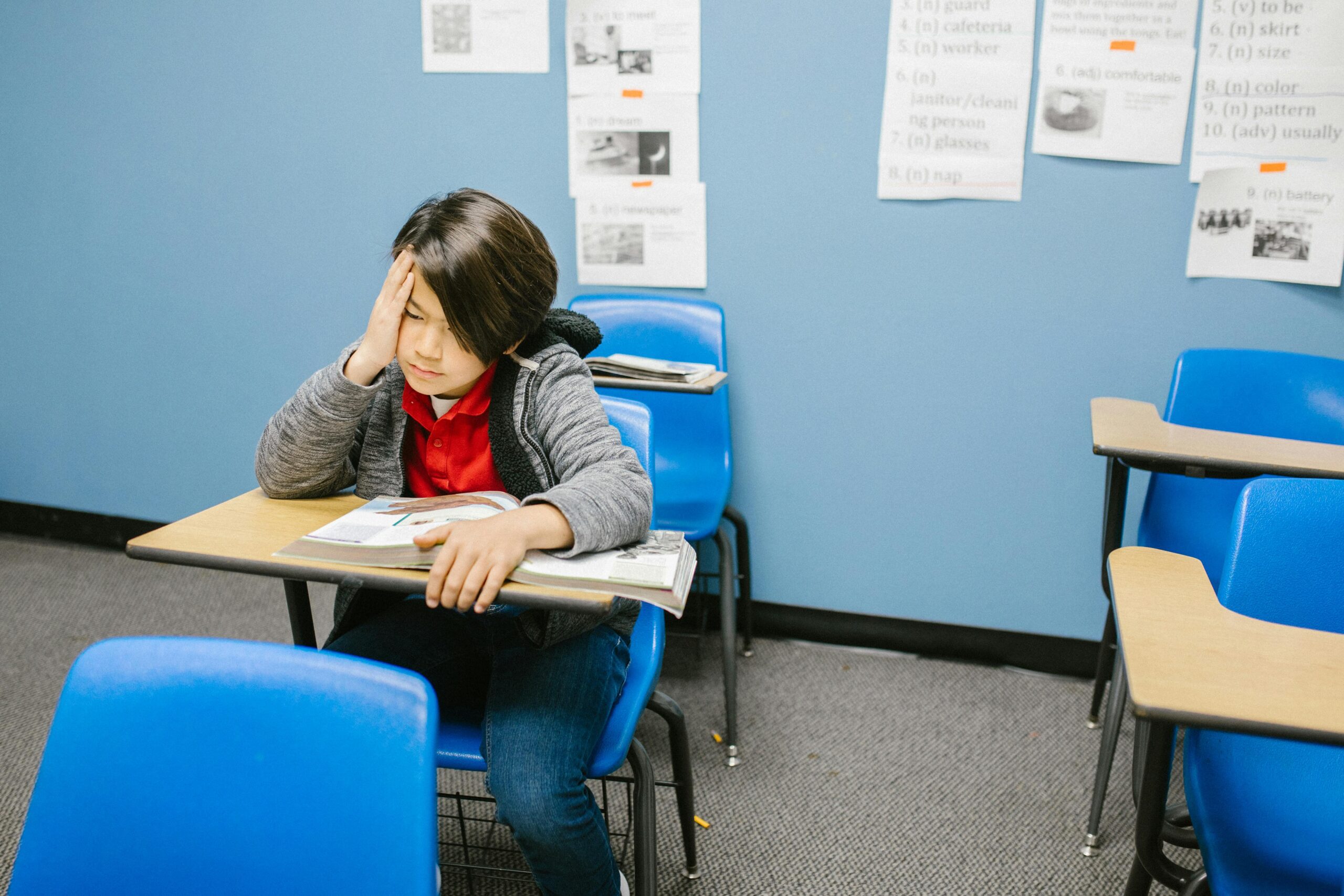
Medical note: This article is educational and cannot diagnose your child. If you’re concerned about safety, self-harm, or severe functional decline, contact a local licensed professional or emergency services. Warning signs and help-seeking guidance are also summarized by NIMH (2024) and the CDC (2025). [web:114][web:112]
Quick answers (People Also Ask)
- Is child burnout from school real? Yes—many students experience chronic school stress that can lead to exhaustion and disengagement, and school burnout is discussed as a public health concern in research reviews. (Vansoeterstede et al., 2023) [web:139]
- How do I tell burnout vs “just tired”? Tiredness improves with rest; burnout shows a pattern of ongoing exhaustion plus more irritability, avoidance, or “I don’t care,” often lasting weeks. (AAP, 2020) [web:128]
- Can too many activities cause burnout? They can if activities remove recovery time (sleep, free play, family connection) and raise pressure without enough choice. (AAP, 2020) [web:128]
- Is burnout the same as depression? No. Burnout often centers on overload and stress-related shutdown; depression is a clinical condition with persistent low mood/irritability and loss of interest across areas of life. Warning signs and next steps are outlined by NIMH. (NIMH, 2024) [web:114]
- What helps fastest? Protect sleep, cut the schedule temporarily, reduce conflict, and coordinate with school for a reduced load while your child recovers. Sleep-health links are emphasized by pediatric sleep consensus statements. (AASM, 2016) [web:117]
- When should I seek professional help? If functioning drops sharply, burnout lasts months, or you see safety concerns like suicidal thoughts, seek evaluation; NIMH lists warning signs to watch for. (NIMH, 2024) [web:114]
Quick facts (featured snippet box)
- Burnout is a pattern, not a moment: ongoing exhaustion + reduced motivation + avoidance that lasts weeks, not just a rough day. (Vansoeterstede et al., 2023) [web:139]
- School pressure is a common trigger: academic stress is linked to burnout symptoms in adolescents in multiple studies. (Gao et al., 2023) [web:136]
- Sleep is a key “stress buffer”: recommended sleep ranges for children and teens are tied to better attention, learning, and emotional regulation. (AASM, 2016) [web:117]
- Stress shows up in the body: anxiety and depression in children can include sleep problems and physical complaints like headaches or stomachaches. (CDC, 2025) [web:112]
- Typical ages: signs can appear at any age, but increases are common around transitions (new school, exam years, early adolescence). (WHO, 2025) [web:109]
- Red flag: “I can’t do this anymore” plus withdrawal and big functioning decline needs fast support. (NIMH, 2024) [web:114]
- What helps quickly: reduce load, protect sleep, add recovery time (“white space”), and coordinate with school. (AAP, 2020) [web:128]
- Most kids improve: when stressors are reduced and coping skills are built, children often recover and re-engage. (AAP, 2020) [web:128]
What is emotional burnout in kids?
In plain language, emotional burnout in kids is a state of chronic overload where a child’s stress system runs too long without enough recovery, leading to ongoing exhaustion, irritability, and a drop in motivation or “care” about school and activities.
Burnout vs normal tiredness
Normal tiredness improves with sleep and a lighter day. Burnout tends to repeat: your child looks “wiped out,” even after rest, and small demands trigger big reactions.
Burnout vs stress (important difference)
Stress is a normal response to demands. AAP notes that moderate stress can be motivating, but continuous or intense stress can take a toll on mind and body. (AAP, 2020) [web:128]
Burnout vs depression
Burnout often clusters around overload and performance environments (“I can’t keep up”). Depression is more pervasive and persistent, often including low mood or irritability, loss of interest, and changes in sleep, appetite, energy, or concentration; NIMH lists warning signs parents can watch for. (NIMH, 2024) [web:114]
Burnout vs school refusal
School refusal is a behavior pattern (not a diagnosis): a child has trouble attending school due to distress. Burnout can contribute to school refusal when school feels like a constant threat rather than a manageable challenge. (CDC, 2025) [web:112]
Diagnostic cue (parent-friendly)
Ask: “Is my child’s world shrinking?” If your child is avoiding school, quitting activities they once liked, withdrawing socially, and losing basic functioning (sleep, appetite, hygiene), treat it as a health issue—not a discipline issue. (NIMH, 2024) [web:114]
Causes & risk factors (evidence-backed, without blame)
Burnout usually comes from an interaction: a child’s temperament + the demands they’re carrying + the amount of recovery time available. The goal isn’t to “find the one cause.” The goal is to identify the load points you can change.
Common risk factors (with one-line evidence anchors)
- Excessive schedules (too little recovery): continuous stress can affect children’s psyche and body, and recovery routines matter. (AAP, 2020) [web:128]
- Academic pressure and learning load: academic stress is associated with academic burnout, with anxiety often playing a mediating role in some studies. (Gao et al., 2023) [web:136]
- Low sleep / irregular sleep: pediatric sleep duration recommendations link adequate sleep to better attention, learning, and emotional regulation. (AASM, 2016) [web:117]
- Perfectionism and fear of mistakes: school burnout frameworks describe exhaustion and reduced sense of effectiveness in school-related tasks. (Vansoeterstede et al., 2023) [web:139]
- Chronic social stress: anxiety in children can show up as irritability, sleep trouble, and physical symptoms. (CDC, 2025) [web:112]
- Family expectations (often loving, sometimes heavy): persistent intense stress “takes a toll,” and supportive coping environments help. (AAP, 2020) [web:128]
- Reduced support systems: adolescent mental health is shaped by social environments, and large surveys track stress and support trends. (WHO, 2025) [web:109]
- Pandemic-era spillover: some regional reports describe lasting shifts in adolescent stress and support following COVID disruptions. (WHO/Europe, 2024) [web:143]
“Burnout usually isn’t about a weak kid. It’s about a strong kid carrying too much for too long without enough recovery.”
Use as a shareable reminder in newsletters or parent workshops.How burnout shows up (signs by age)
Kids rarely say, “I am burned out.” They show it: through mood, body complaints, sleep shifts, avoidance, and sudden changes in motivation. Physical symptoms can be part of stress and anxiety in children. (CDC, 2025) [web:112]
How to observe without “interrogating”
Instead of asking “Are you okay?” (which often gets “fine”), try: “I’ve noticed mornings have been harder lately. What part of the day feels heaviest?” This keeps you curious and lowers defensiveness.
Preschool (ages ~3–5)
Preschool burnout often looks like nervous system overload rather than “school stress.” Routines and stability are protective in childhood stress. (AAP, 2020) [web:128]
Emotional signs
- More clinginess, tears, or “big feelings” after daycare/school.
- More irritability or aggression in the evening (after holding it together all day).
- New fears, more need for reassurance.
Behavioral signs
- More meltdowns during transitions (leaving home, bedtime, getting dressed).
- Regression (accidents, baby talk, needing extra help).
- Refusing activities they previously enjoyed.
Somatic/body signs
- Tummy aches, headaches, appetite changes, sleep disruption—common ways stress appears in children. (CDC, 2025) [web:112]
Parent script
“Your body is telling us it’s had a big day. Tonight we’re doing an early bedtime and a quieter morning tomorrow. We can make life feel easier while your body calms down.”
Early elementary (ages ~6–9)
Emotional signs
- Quick frustration, more crying over small mistakes.
- “I’m bad at this” after minor feedback (fear of failure).
- More worries at bedtime (tomorrow’s tasks feel too big).
Cognitive/learning signs
- More trouble starting homework (not just “won’t,” but “can’t get going”).
- More careless mistakes or blanking out under pressure.
- “Brain fog” and forgetfulness—often linked with poor sleep and high stress. (AASM, 2016) [web:117]
School patterns teachers often see
- More visits to the nurse, more avoidance, more “shut down” moments.
- Decline in participation or willingness to try.
Parent script for homework
“We’re going to do this in tiny steps. First, we sit together for 3 minutes. Then we take a short break. Your job is effort, not perfection.”
Tweens (ages ~10–12)
Tweens sit in a tough zone: rising academic demands, rising social pressure, and still-developing self-management skills. WHO notes adolescence is a key window for mental health and coping supports. (WHO, 2025) [web:109]
Emotional signs
- More irritability at home (safe place to let it out).
- More “I don’t care” language (often protective, not true apathy).
- More anxiety around tests, presentations, or performance.
Behavioral signs
- Procrastination or avoidance that seems out of character.
- Quitting activities suddenly or refusing to attend.
- Increased conflict about morning routines and school.
Somatic/body signs
- Headaches, stomachaches, fatigue—physical symptoms can accompany anxiety and depression. (CDC, 2025) [web:112]
Short parent script (pressure relief)
“If your schedule feels like it’s crushing you, we will change the schedule. Your health comes first, and we’ll talk to school together.”
Teens (ages ~13–18)
Teen burnout can look like a mix of exhaustion, cynicism (“school is pointless”), and reduced sense of effectiveness—common elements in school burnout research. (Vansoeterstede et al., 2023) [web:139]
Emotional signs
- Persistent irritability, numbness, or low mood; warning signs are described by NIMH. (NIMH, 2024) [web:114]
- Hopeless talk: “What’s the point?”
- Overwhelm spikes: tears, shutdown, panic before school.
Cognitive signs
- Difficulty concentrating and remembering, especially with reduced sleep. (AASM, 2016) [web:117]
- “Blanking” in exams, intense self-criticism after small mistakes.
Behavioral signs
- School avoidance, frequent absences, or missing assignments.
- Social withdrawal, staying in room, reduced family interaction.
- Increased screen time as escape (not always the cause, often the coping).
Parent script (teen-safe, not lectures)
“I’m not here to punish you for struggling. I’m here to help you carry less and recover. Let’s pick one thing to reduce this week.”
Short science explainer (stress physiology + burnout vs depression)
When stress is brief, the body can mobilize energy and then recover. When stress becomes chronic, the body may stay in a prolonged “on” state—affecting sleep, mood, and learning. AAP describes how continuous or intense stress can take a toll on a child’s body and psyche. (AAP, 2020) [web:128]
Chronic stress and “wear and tear” (allostatic load, in simple terms)
Researchers use terms like allostasis and allostatic load to describe how the body adapts to stress and what happens when the stress-response systems are activated repeatedly. (Johnston-Brooks et al., 1998) [web:118]
In children, chronic stress can link to health and functioning through these cumulative stress-response patterns. (Johnston-Brooks et al., 1998) [web:118] More recent work also studies allostatic load in children as a multi-system stress indicator. (Miller et al., 2023) [web:121]
Sleep and cognitive function: why everything feels harder when sleep drops
Sleep is not “extra.” It supports attention, learning, memory, and emotional regulation, and recommended sleep durations for children and teens are summarized by pediatric sleep consensus statements. (AASM, 2016) [web:117]
Motivation cycles: why burned-out kids stop trying
When a child repeatedly experiences “effort + pressure + not enough recovery,” motivation can shift from growth to protection: avoid, escape, shut down, numb out. This can look like defiance, but it’s often exhaustion.
Burnout vs depression (how to think clearly)
Depression can include persistent irritability or low mood, reduced interest, sleep/appetite changes, and functioning decline; NIMH lists warning signs. (NIMH, 2024) [web:114] Burnout can overlap with low mood, but it often improves when the load is reduced and recovery is restored—especially if addressed early.

Immediate first-aid steps (next 48–72 hours)
When you suspect burnout, the best first step is not “push harder” or “quit everything forever.” It’s a short, calm stabilization plan: reduce load, protect sleep, and get school aligned. AAP emphasizes coping skills and stability when stress is continuous. (AAP, 2020) [web:128]
Quick triage: decide what level you’re in
- Level 1 (mild): cranky + tired, still functioning; use the 72-hour plan and monitor.
- Level 2 (moderate): frequent tears/meltdowns, schoolwork slipping, physical symptoms; reduce load + school plan now. (CDC, 2025) [web:112]
- Level 3 (urgent): talk of self-harm, severe withdrawal, marked decline; seek professional assessment quickly. (NIMH, 2024) [web:114]
Step 1 (today): Stabilize the basics
- Sleep triage: choose an earlier bedtime for 3 nights; protect sleep duration ranges recommended for children/teens. (AASM, 2016) [web:117]
- Food and hydration: simple, familiar meals; reduce caffeine in older kids (AACAP advises avoiding excess caffeine for teens under stress). (AACAP, 2024) [web:129]
- Movement: 10–20 minutes of low-pressure movement (walk, stretch, play) to discharge stress.
- Reduce stimulation: lower evening screen intensity; calm lighting; quieter transitions.
Step 2 (within 24 hours): Cut load temporarily
Think of this as a “cast” for an overload injury. You reduce demand so the system can recover, then you re-build gradually.
- Pause one optional activity for 1–2 weeks (not as punishment; as recovery).
- Reduce perfectionism triggers: “good enough” homework completion goals.
- Stop adding new commitments for 30 days.
Step 3 (within 48 hours): Contact school with a clear, calm request
Schools can help reduce the pressure load when you give them a specific plan. AAP school mental health resources discuss supporting students and building coping capacity in school settings. (AAP, 2024) [web:131]
Copy/paste: email to teacher or counselor
Subject: Support plan request for [Child Name] (overload/burnout)
Hello [Teacher/Counselor Name],
I’m reaching out because we’re seeing signs that [Child Name] is overwhelmed and may be experiencing stress overload/burnout
(fatigue, increased irritability, difficulty starting/finishing work, and physical complaints).
For the next 2–3 weeks, could we try a temporary reduced-load plan while we stabilize sleep and recovery at home? Helpful supports might include: reduced homework volume, extended deadlines, breaking tasks into smaller parts, and a check-in person at school.
We’re not asking for lowered expectations long-term—we’re asking for short-term recovery support so [Child Name] can return to learning steadily. Could we schedule a 15-minute call this week to coordinate?
Thank you,
[Your Name] • [Phone] • [Preferred meeting times]
Step 4 (72 hours): Track data (so you’re not guessing)
- Bedtime, wake time, night wakings.
- School attendance, missing work, nurse visits.
- Meltdowns (time + trigger + recovery time).
- 1–2 “green moments” daily (small wins).
When to treat this as urgent
If your child talks about wanting to die, self-harm, or shows severe withdrawal and major functioning decline, seek immediate professional assessment. NIMH lists warning signs of mental health conditions in children and adolescents. (NIMH, 2024) [web:114]
Practical step-by-step family plan (6-week staged recovery program)
This is a structured program you can adapt to your culture, school system, and family schedule. It assumes you’re doing two things at once: (1) reducing overload, and (2) building coping and recovery habits. Coping skills and stress management are recommended in multiple pediatric and mental health resources. (AAP, 2020; AACAP, 2024) [web:128][web:129]
| Week | Weekly goal | Daily micro-routines (10–30 minutes total) |
|---|---|---|
| Week 1 | Stabilize sleep, reduce load, stop the “pressure spiral.” (AASM, 2016) [web:117] | Earlier bedtime + device-free wind-down; 10 minutes movement; 5 minutes connection talk. |
| Week 2 | Build predictability: simpler mornings and after-school decompression. | After-school “buffer” (snack + quiet time); homework in tiny blocks; 1 enjoyable offline activity. |
| Week 3 | Rebuild confidence: smaller tasks, fewer battles, more success reps. | “First tiny step” ritual; praise effort; one planned help-seeking moment at school. |
| Week 4 | Adjust schedule permanently: protect “white space.” (AAP, 2020) [web:128] | Family audit; drop/modify one commitment; keep sleep protected. |
| Week 5 | Strengthen coping skills: stress body tools + problem-solving. | Breathing practice; plan for hard days; social support routine. |
| Week 6 | Return-to-full load only if stable; otherwise extend supports. | Review data; keep the “non-negotiables” (sleep + recovery block + limits). |
Daily micro-routine template (copy/paste)
- After school: 20 minutes decompression (snack + quiet), no questions for the first 10 minutes.
- Homework: 10 minutes work + 3 minutes break cycles (adjust by age).
- Connection: 5 minutes “no fixing” talk (just listen).
- Recovery: 10 minutes movement or outdoor time.
- Sleep: consistent bedtime; recommended sleep ranges support learning and emotional regulation. (AASM, 2016) [web:117]
Sample family tech & activity audit worksheet (interactive, no login)
Burnout often hides inside “busy normal.” This worksheet helps you see the true weekly load—especially the invisible load: travel time, homework spillover, social pressure, and bedtime drift.

Open the copyable tech & activity audit table
Tip: Fill this out once, then again after you make changes. Track “cost” and “value” separately—because some high-value activities still cost too much right now.
| Item | Hours/week | Hidden costs | Value to child | Decision |
|---|---|---|---|---|
| School homework | __ | Late nights, conflict, tutoring | Learning, grades | Reduce/Modify/Support |
| Sports / activity #1 | __ | Travel, pressure, injuries | Joy, friends, identity | Keep / Reduce / Pause |
| Sports / activity #2 | __ | Two practices, weekend meets | __ | __ |
| Screen time (weekday) | __ | Sleep drift, overstimulation | Relaxation, social | Set window / Reduce |
| Commute / transport | __ | Eating in car, no downtime | Necessary | Buffer time added |
| Family “white space” | __ | Often missing | Recovery, belonging | Protect weekly |
How to score “value vs cost” (fast)
- Value high, cost low: keep (this is protective).
- Value high, cost high: modify (shorter season, fewer days, lower intensity).
- Value low, cost high: pause (this is often the hidden burnout driver).
- Value low, cost low: optional—keep only if it supports connection or recovery.
Want a Complete, Science-Backed Parenting Framework?
Shyness, anxiety, routines, learning stress, and emotional growth are deeply connected. Our 2026 parenting guide brings everything together in one clear roadmap.
→ Explore the Complete Parenting Guide 2026Scripts for telling coaches/teachers and negotiating activity loads
Many parents avoid these conversations because they fear sounding “weak” or “uncommitted.” But protecting a child’s health is not weakness. It’s leadership.
Script: telling a coach you’re reducing load
“We value this activity, and we’re not quitting because of motivation. We’re reducing load for health and recovery. For the next 4–6 weeks, we need a lighter schedule. Can we switch to [1 practice/week] or a lower-pressure role while [Child Name] stabilizes sleep and stress?”
Script: telling a teacher your child is overloaded (without blaming school)
“We’re seeing overload signs—fatigue, irritability, difficulty initiating work, and physical complaints. We’re focusing on recovery and want to keep [Child Name] engaged. Can we reduce volume temporarily and prioritize essential learning targets?”
Script: talking to your child (reducing shame)
“Your body is giving us data. It’s telling us the load is too heavy right now. We’re going to make a plan together: fewer demands, more recovery, and smaller steps back in.”
School strategies & templates (teacher email, ISP/504-style plan, accommodations)
Schools often want to help, but they need clarity: what you’re asking for, why, and for how long. AAP school mental health resources emphasize building supportive environments and coping capacity. (AAP, 2024) [web:131]

Simple Individual Support Plan (ISP) / “504-style” accommodation template
Note: Names and legal frameworks differ by country. Use this as a practical “support plan” template and adapt to your region’s policies.
| Student | [Name], [Grade], [Teacher] |
|---|---|
| Concern | Stress overload / burnout signs: fatigue, irritability, decreased task initiation, physical complaints. (CDC, 2025) [web:112] |
| Goal (4–6 weeks) | Stabilize attendance and engagement while reducing overload; rebuild confidence and routines. |
| Short-term accommodations | Reduced homework volume (focus on essentials); extended deadlines; chunking assignments; alternative demonstration of learning; reduced high-stakes testing load when possible. |
| In-school supports | Check-in adult; quiet space pass; predictable schedule; brief morning check-in; counselor support as available. |
| Home supports | Sleep plan (AASM, 2016) [web:117]; decompression routine; limited extracurricular load; homework micro-blocks. |
| Communication | Weekly email summary between school contact and parent; track missing work and stress indicators. |
| Review date | [Date + time] (adjust supports based on progress) |
Reduced-load sample timetable (example)
| Time | Current | Reduced-load version |
|---|---|---|
| After school | Homework immediately + activity | 20 min decompression + snack, then short homework block |
| Evening | Activity + late homework | Pause 1 activity; homework micro-blocks only |
| Night | Bedtime drift | Earlier bedtime for 2–3 weeks; protect sleep duration. (AASM, 2016) [web:117] |
Parent-teacher meeting agenda (15–25 minutes)
- Share observations: sleep changes, physical symptoms, avoidance patterns. (CDC, 2025) [web:112]
- Share your goal: recovery + re-engagement (not “excuses”).
- Ask for specific supports: reduced volume, chunking, extended deadlines, check-in adult.
- Agree on a 4–6 week plan: and a review date.
- Decide how to track progress: attendance, work completion, stress rating (0–10), sleep.
Data to bring (keeps meetings calm and factual)
- Bedtime/wake time for 7 days.
- List of activities + hours/week (from the audit).
- Top 3 school stressors (tests, homework volume, social conflict).
- What has helped (short breaks, chunking, teacher check-ins).
Mental health interventions & when to refer
Burnout is not always a “therapy problem.” Often it’s a load problem first. But therapy can help when stress overload blends with anxiety, depression, perfectionism, or school avoidance. CDC outlines common features of anxiety and depression in children, including irritability, sleep trouble, and physical symptoms. (CDC, 2025) [web:112]
Evidence-based supports commonly used
- CBT skills for stress/anxiety: coping skills, realistic thinking, and behavior practice are common approaches in youth anxiety supports. (CDC, 2025; AAP, 2024) [web:112][web:131]
- Behavioral activation for low mood: re-building small positive activities and routines can help when kids withdraw; watch for depression warning signs. (NIMH, 2024) [web:114]
- Sleep interventions: aligning routines with pediatric sleep recommendations can improve attention and emotional regulation. (AASM, 2016) [web:117]
- School accommodations: temporary reduced load and supportive check-ins can reduce stress exposure while skills rebuild. (AAP, 2024) [web:131]
Red flags that require professional assessment
- Talk about suicide or self-harm, or signs your child may not be safe. (NIMH, 2024) [web:114]
- Marked decline in functioning (school refusal, cannot complete basic tasks, severe withdrawal). (NIMH, 2024) [web:114]
- Major sleep changes (sleeping far more or far less), especially if persistent. (NHS, 2024) [web:144]
- Significant appetite/weight changes, or frequent physical complaints that keep interrupting school. (CDC, 2025) [web:112]
- New or escalating substance use (older teens). (NHS, 2024) [web:144]
- Self-harm, or repeated talk of hopelessness (“Nothing will get better”). (NIMH, 2024) [web:114]
Where to start (a simple referral pathway)
In most regions, it helps to start with the least intense, most accessible support first—unless safety is a concern. NIMH outlines broad child and adolescent mental health guidance and encourages seeking professional help when warning signs are present. (NIMH, 2024) [web:114]
- Pediatrician / primary care clinician: ask for screening, sleep guidance, and referrals. (CDC, 2025) [web:112]
- School counselor / student support team: implement a temporary reduced-load plan and check-ins. (AAP, 2024) [web:131]
- Licensed child psychologist / therapist: CBT-based stress/anxiety skills, behavioral activation for withdrawal, and parent coaching. (AAP, 2020) [web:128]
- Child psychiatrist (when needed): for medication evaluation, severe impairment, or complex comorbidity. (NIMH, 2024) [web:114]
Suggested referral wording (copy/paste)
“My child has had persistent stress overload symptoms for [X weeks/months]: fatigue, irritability, reduced motivation, and school functioning decline. We have reduced activities and improved sleep routines, but impairment continues. I’m requesting an evaluation for anxiety/depression/stress-related concerns and guidance on evidence-based treatment.” (Use warning signs and symptom patterns described by the CDC and NIMH to support your request.) (CDC, 2025; NIMH, 2024) [web:112][web:114]
Activity & scheduling strategies (how to create “white space” without guilt)
If your child is burned out, the solution is rarely “try harder.” It is usually “carry less”—for a period of time—so the body and brain can recover. AAP recommends helping children manage stress by building routines, coping skills, and supportive environments. (AAP, 2020) [web:128]
Step 1: Identify the hidden load
- Time load: hours in activities + homework + commuting.
- Pressure load: tryouts, rankings, advanced classes, high-stakes exams.
- Social load: group dynamics, bullying, friendship stress (often invisible). (CDC, 2025) [web:112]
- Recovery load: how much quiet downtime your child actually gets (often near zero).
Step 2: Use the “value vs cost” method (repeat monthly for 3 months)
Children can love an activity and still be harmed by the current intensity. This is where modification is powerful: fewer days, shorter season, lower competitive tier, or a “practice-only” phase.
Step 3: The 4 scheduling moves that reduce burnout fastest
- Protect sleep first (bedtime consistency + fewer late evenings). (AASM, 2016) [web:117]
- Drop one optional commitment for 2–6 weeks (recovery phase).
- Add a daily decompression buffer after school (20–40 minutes, no demands).
- Make one “white space block” non-negotiable each weekend (2–4 hours, low-pressure).
How to pivot from high-pressure to restorative activities
- From: daily competitive training → to: 1–2 days of movement for enjoyment.
- From: performance-only arts → to: creative play (no audience, no grading).
- From: late-night tutoring → to: earlier, shorter sessions + school accommodations. (AAP, 2024) [web:131]
Parental mindset & communication scripts (reduce shame, reduce fights)
When a child is burned out, parents often carry two painful thoughts at once: “I want my child to thrive” and “I might be the reason they’re struggling.” This is where guilt can quietly turn into pressure—pushing the child harder “so it was worth it.”
Helpful truth
If your child is overloaded, changing the plan is not “lowering standards.” It is making standards realistic so your child can return to learning and growth steadily. (AAP, 2020) [web:128]
Emotion-coaching phrases (what to say in the moment)
- “I believe you. This feels like too much right now.”
- “We can solve this in steps.”
- “Your job is the next small step, not the whole mountain.”
- “We are protecting your sleep and health first.” (AASM, 2016) [web:117]
Boundary phrases (calm, firm, not punitive)
“We’re pausing one activity to help your body recover.”
“We’re not debating this at bedtime—sleep is health.”
“We’ll review the plan on Sunday, not in the middle of a meltdown.”
How to talk to grandparents or extended family (without a fight)
“We’re following a health-based recovery plan for stress overload. For the next 6 weeks, we’re protecting sleep and reducing commitments. We’d love your support with meals, rides, and keeping expectations gentle.” (Supportive environments are emphasized in child stress guidance.) (AAP, 2020) [web:128]
“A rested child learns faster than a pressured child.”
Post this on your fridge during recovery weeks.Case studies (3) — what recovery can look like in 8–12 weeks
These are composites based on common patterns (details changed). They illustrate process, not perfection.
Case 1: Preschooler (age 4) — “Evenings are meltdowns”
Baseline: Child melts down after preschool, refuses dinner, and bedtime becomes a 90-minute struggle. New tummy aches appear. (Physical symptoms can accompany stress/anxiety.) (CDC, 2025) [web:112]
Action plan: Parents add a 30-minute quiet buffer after pickup, move bedtime earlier, and pause one weekend activity. They stop asking “How was school?” immediately and switch to connection first, then one gentle question later.
8–12 week outcome: Meltdowns decrease as sleep stabilizes. Child begins to use words (“My day was too loud”) and transitions become smoother with predictable routines. (AAP, 2020) [web:128]
Case 2: Elementary child (age 8) — “Too many activities, homework tears”
Baseline: Two weekday activities + tutoring + late homework. Child cries nightly and begins saying “I hate school.” Academic stress can connect with burnout patterns in adolescents; in younger kids it often shows as overwhelm and avoidance. (Gao et al., 2023) [web:136]
Action plan: Family uses the audit table, pauses one activity, and changes homework to micro-blocks (10 minutes on/3 minutes off). Parent emails teacher for reduced volume and extended deadlines for 3 weeks. (AAP, 2024) [web:131]
8–12 week outcome: Homework becomes shorter and calmer, sleep improves, and the child returns to one activity with fewer practices. Confidence rebounds after repeated “success reps.” (AASM, 2016) [web:117]
Case 3: Overwhelmed teen (age 15) — “Shut down, missing school, hopeless talk”
Baseline: Teen sleeps poorly, procrastinates, then panics. Grades drop. Teen says “What’s the point?” and withdraws socially. Warning signs for depression in young people include sleep changes, withdrawal, low confidence, and suicidal thoughts; seek assessment when these appear. (NHS, 2024; NIMH, 2024) [web:144][web:114]
Action plan: Parent stabilizes sleep and reduces load, school creates a temporary ISP plan (reduced deadlines + check-in adult), and teen begins therapy for anxiety/depression screening and coping skills. (AAP, 2024; CDC, 2025) [web:131][web:112]
8–12 week outcome: Attendance improves with reduced load. Teen’s avoidance decreases as tasks are chunked and sleep improves. Family keeps a weekly reset meeting to prevent relapse and adjusts expectations seasonally (exam weeks vs normal weeks). (AASM, 2016) [web:117]
Policy & school system notes (advocating without attacking)
Many families feel alone because they believe overload is “just how school is now.” But schools and systems can change—especially when families advocate calmly with data.
What to advocate for (practical, non-political)
- Reasonable homework expectations: OECD has discussed how homework time and pressure can vary and how excessive homework can be problematic. (OECD, 2014) [web:106]
- Equitable access to counseling and learning supports: WHO emphasizes adolescent mental health as a priority area for health systems and schools. (WHO, 2025) [web:109]
- Promotion and prevention in schools: WHO’s Helping Adolescents Thrive (HAT) guidelines provide evidence-informed recommendations for promotive and preventive psychosocial interventions that can be implemented in schools and communities. (WHO, 2020) [web:105][web:160]
- Whole-school climate: reduce humiliation-based discipline, increase predictable routines, and build safe help-seeking pathways.
How to adapt this globally (GEO placeholders)
In your CMS, add local links for your region:
[City/State/Country] school counseling directory • child mental health helpline • pediatric services • local education department guidance.
If you publish internationally, keep the core advice constant (sleep, load, support plans) and swap the help links by region.
WHO provides a global starting point for adolescent mental health. (WHO, 2025) [web:109]
Frequently asked questions (AEO optimized)
Each FAQ includes a short snippet answer (40–70 words) and an expanded answer (150–300 words) right below it.
1) What are the signs of child burnout from school?
Short answer: Common signs include ongoing exhaustion, irritability, avoidance, frequent physical complaints (headaches/stomachaches), sleep changes, and a drop in motivation or performance that lasts weeks—not just a bad day. Physical symptoms and sleep issues can be part of stress and anxiety. (CDC, 2025; AASM, 2016) [web:112][web:117]
Expanded: Look for a pattern: your child struggles to start schoolwork, overreacts to small demands, or says “I don’t care” about things they used to enjoy. Teachers may notice reduced participation, incomplete work, or more nurse visits. Many kids show stress through the body (stomachaches, headaches) and through sleep changes. (CDC, 2025) [web:112] Burnout is especially likely when demands rise and recovery drops—late nights, packed afternoons, and constant performance pressure. (AAP, 2020) [web:128] Start by protecting sleep, reducing load for 2–3 weeks, and coordinating a short-term school support plan.
2) Is burnout the same as depression in kids?
Short answer: No. Burnout is often tied to overload and may improve when load is reduced and recovery returns. Depression is a clinical condition with persistent symptoms like low mood/irritability, loss of interest, sleep/appetite changes, and functional impairment. If you’re unsure, seek evaluation. (NIMH, 2024; NHS, 2024) [web:114][web:144]
Expanded: Burnout and depression can overlap: both can include low energy, irritability, and withdrawal. The difference is persistence and pervasiveness. In burnout, symptoms often cluster around school/activities and may ease with rest and reduced demands. In depression, symptoms can persist across contexts and may include hopelessness, guilt, or suicidal thoughts. NIMH and the NHS list warning signs that help parents decide when to seek urgent support. (NIMH, 2024; NHS, 2024) [web:114][web:144] If your child expresses self-harm thoughts, shows major functional decline, or symptoms last many weeks, treat it as a mental health assessment issue, not just a schedule problem.
3) Can too many extracurricular activities cause burnout?
Short answer: Yes—if activities remove recovery time (sleep, downtime, family connection) and add pressure. The risk rises when a child has little choice, late nights, and constant “performance mode.” Supporting children to manage stress includes protecting routines and recovery. (AAP, 2020; AASM, 2016) [web:128][web:117]
Expanded: Activities can be protective when they provide joy, belonging, and movement. Burnout risk rises when the schedule becomes a treadmill: school → activity → homework → bedtime drift, repeated most days. Adequate sleep is a key buffer; pediatric sleep consensus guidance emphasizes recommended sleep durations for health and functioning. (AASM, 2016) [web:117] Use the value-vs-cost audit to identify what to pause, reduce, or modify. Often the best outcome is not “no activities,” but fewer days, a less competitive tier, or a short recovery season.
4) What should I do first if I think my child is burned out?
Short answer: In the next 48–72 hours, protect sleep, cut one optional commitment temporarily, lower conflict at homework time (micro-blocks), and email school for a short-term reduced-load plan. Stable routines and coping skills are emphasized in child stress guidance. (AAP, 2020; AASM, 2016) [web:128][web:117]
Expanded: Start with stabilization. Sleep is the highest-return change: earlier bedtime, consistent wake time, and devices away from the bed. (AASM, 2016) [web:117] Then reduce load: pause one optional activity and stop adding commitments. Create an after-school buffer (snack + quiet) before homework. Contact school with a time-limited request: reduced homework volume, chunking, extended deadlines, and a check-in person. (AAP, 2024) [web:131] Track simple data for a week (sleep, meltdowns, missing work) so you can adjust based on patterns, not guesses.
5) How long does it take kids to recover from burnout?
Short answer: Mild overload can improve in 1–3 weeks with sleep protection and schedule changes. More entrenched burnout often needs 6–12 weeks of reduced load plus skills and school supports. School burnout patterns and changes over time are discussed in research reviews. (Vansoeterstede et al., 2023) [web:139]
Expanded: Recovery speed depends on how long overload has been present, whether sleep is impaired, and whether school and activities can adjust. Many families notice early improvements (fewer meltdowns, easier mornings) within 1–2 weeks of better sleep and fewer late evenings. (AASM, 2016) [web:117] Deeper recovery—confidence, motivation, and steady academic performance—often takes longer. Use a staged plan: stabilize, simplify, rebuild small successes, then gradually re-expand. If progress is minimal after 6–8 weeks, consider professional assessment to check for anxiety, depression, learning strain, or other health contributors. (CDC, 2025; NIMH, 2024) [web:112][web:114]
6) When should I worry about my child’s burnout?
Short answer: Worry when burnout comes with severe functional decline, school refusal, major sleep/appetite changes, or safety concerns (self-harm talk). Warning signs and recommended next steps are outlined by NIMH and the NHS. (NIMH, 2024; NHS, 2024) [web:114][web:144]
Expanded: Many children have stressful weeks. The difference is impairment and persistence. If your child cannot attend school, cannot complete basic daily tasks, withdraws from all friends, or expresses hopelessness, seek professional assessment. (NIMH, 2024) [web:114] If they show big weight/sleep changes, ongoing physical complaints, or talk about suicide/self-harm, treat it as urgent. (NHS, 2024; CDC, 2025) [web:144][web:112] You do not need to “wait and see” when safety might be involved.
7) What school accommodations help a burned-out child?
Short answer: Temporary reduced homework volume, extended deadlines, chunking assignments, alternative ways to show learning, and a check-in adult can reduce stress exposure while your child recovers. School mental health supports are discussed in AAP school resources. (AAP, 2024) [web:131]
Expanded: The best accommodations are time-limited and specific. Ask the school to prioritize essential learning targets and reduce “non-essential volume.” Use chunking: one small part at a time with check-ins. Ask for predictable routines, a quiet space option, and a supportive adult your child can see briefly once a day. (AAP, 2024) [web:131] Bring data: sleep logs, schedule hours, missed work list, and top triggers. A simple ISP-style plan (even if not legally formal in your country) helps everyone stay aligned.
8) Is my child’s stomachache a stress sign?
Short answer: It can be. Stress and anxiety in children can show up as physical symptoms such as headaches and stomachaches, especially around school and performance. Always check with your pediatrician if symptoms persist or worsen. (CDC, 2025) [web:112]
Expanded: Children often express stress through the body because they don’t yet have adult language for “overwhelmed.” Patterns matter: symptoms that peak before school, tests, or activities and ease during weekends can be stress-linked. (CDC, 2025) [web:112] Still, physical symptoms deserve medical attention when persistent, severe, or accompanied by weight loss, fever, or other red flags. The best approach is both/and: medical evaluation when appropriate plus stress-load reduction and coping routines.
9) How can I reduce homework fights during burnout?
Short answer: Use micro-blocks (10 minutes on/3 minutes off), lower perfectionism (“good enough”), do homework earlier, and ask school for reduced volume temporarily. Supportive stress management routines are recommended in pediatric guidance. (AAP, 2020) [web:128]
Expanded: Homework fights often happen when children are exhausted and feel trapped. Change the timing (earlier), the dose (shorter), and the emotional tone (calm). Pair micro-blocks with a visible timer and clear end point. Tell your child, “We’re training your brain to start, not to be perfect.” Email school with a specific request: prioritize essential items, reduce repetition, and extend deadlines for 2–3 weeks. (AAP, 2024) [web:131] If burnout is severe, consider a temporary homework modification plan while sleep and emotional regulation stabilize. (AASM, 2016) [web:117]
10) What if my child refuses activities they used to love?
Short answer: Treat this as data, not defiance. Burnout can reduce motivation and increase avoidance. Pause, reduce intensity, or modify the activity for a short recovery period, then reintroduce gradually if your child regains energy and interest. (AAP, 2020) [web:128]
Expanded: When kids are overloaded, the brain protects itself by avoiding demands—even enjoyable ones that now feel like pressure. Avoid shaming (“You’re quitting”) and shift to curiosity (“What part feels hardest—people, pressure, tiredness?”). Offer a “lighter version”: fewer practices, shorter season, or a non-competitive role. Reintroduce only if sleep and daily functioning improve. If refusal spreads to all areas (school, friends, hobbies) and lasts weeks, consider evaluation for anxiety or depression. (CDC, 2025; NIMH, 2024) [web:112][web:114]
11) Can burnout happen in high-achieving kids?
Short answer: Yes. High-achieving kids can be at risk because perfectionism, fear of mistakes, and heavy schedules keep stress high and recovery low. School burnout research discusses exhaustion and reduced sense of effectiveness, which can show up strongly in high performers. (Vansoeterstede et al., 2023) [web:139]
Expanded: Many high-achieving kids are not “fine”—they are functioning at the cost of sleep and emotional health. They may look successful while feeling constantly behind or terrified of failure. Over time, motivation can shift into shutdown and cynicism. (Vansoeterstede et al., 2023) [web:139] The intervention is not to remove challenge; it’s to rebalance: reduce unnecessary volume, normalize mistakes, protect sleep, and build coping routines. (AASM, 2016; AAP, 2020) [web:117][web:128]
12) How do I help my child manage stress long-term?
Short answer: Build a predictable routine with protected sleep, daily decompression, reasonable commitments, emotion coaching, and school collaboration. WHO’s adolescent mental health promotion guidance emphasizes promotive and preventive psychosocial interventions that can be delivered in schools and communities. (WHO, 2020; WHO, 2025) [web:105][web:109]
Expanded: Long-term resilience is built through systems, not speeches. Keep “non-negotiables” (sleep, meals, movement), and revisit load monthly with a short family meeting. Teach children to recognize early signs (tight stomach, dread, irritability) and to ask for help early. Use school supports when stress rises (exam seasons, transitions). WHO’s HAT guidelines emphasize promotive and preventive psychosocial interventions across platforms like schools and communities. (WHO, 2020) [web:105][web:160] If your child has persistent anxiety or low mood, evidence-based therapy can help with coping skills and gradual behavior change. (CDC, 2025; NIMH, 2024) [web:112][web:114]
Printable one-page checklist + 7-day recovery plan
One-page checklist: Signs & Steps to Reduce Child Burnout
Print tip: Use this as a weekly check-in. If 6+ boxes are checked for 2+ weeks, reduce load and coordinate with school. (AAP, 2020; CDC, 2025) [web:128][web:112]
7-day recovery starter plan (gentle, realistic)
- Day 1: Sleep protection plan (earlier bedtime for 3 nights). (AASM, 2016) [web:117]
- Day 2: Pause one optional commitment for 1–2 weeks.
- Day 3: Email school for temporary reduced load + check-in adult. (AAP, 2024) [web:131]
- Day 4: After-school buffer (snack + quiet) before homework.
- Day 5: Homework micro-blocks + “good enough” target.
- Day 6: Family audit (value vs cost) + protect one white-space block.
- Day 7: Review data (sleep, stress, school) and set the next 2-week goal.
Download CTA (link placeholder)
Download the printable PDF version here: [Download checklist PDF]. (Replace with your file URL.)
Next steps (gentle, non-salesy)
If you’re reading this because you’re worried: you don’t have to fix everything today. Choose one high-impact step (sleep, schedule reduction, or school alignment) and start there. (AAP, 2020; AASM, 2016) [web:128][web:117]
Newsletter / follow-up support (optional)
If you publish parenting resources, invite caregivers to get 1 practical strategy per week: [Subscribe to newsletter] (link placeholder).
Internal link suggestions (placeholders)
Resources & citations (verified, high-authority)
The links below are the sources used for evidence and guidance in this article. They include major health organizations (CDC, WHO, AAP, NIMH, NHS) and peer-reviewed articles indexed in PubMed/PMC.
Symptoms, risk factors, and practical parent considerations (CDC, 2025). [web:112]
Context on child mental health in population data (CDC, 2025). [web:113]
Warning signs and when to seek professional care (NIMH, 2024). [web:114]
Practical warning signs and help pathways (NHS, 2024). [web:144]
Global overview and key risk/protective factors (WHO, 2025). [web:109]
Evidence-informed promotive and preventive psychosocial interventions (WHO, 2020). [web:105]
Stable catalog record for the WHO HAT guidance (WHO, 2020). [web:160]
Parent-friendly stress guidance and coping suggestions (AAP, 2020). [web:128]
Structured stress management planning (AAP, 2022). [web:127]
School-based supports and collaboration ideas (AAP, 2024). [web:131]
Recommended sleep duration ranges for pediatric populations (AASM, 2016). [web:117]
Open full text of the sleep duration consensus (AASM, 2016). [web:120]
Teen stress signs and coping guidance (AACAP, 2024). [web:129]
Classic discussion of allostatic processes in childhood stress (Johnston-Brooks et al., 1998). [web:118]
Research on allostatic load in child populations (Miller et al., 2023). [web:121]
Review of school burnout patterns over time (Vansoeterstede et al., 2023). [web:139]
Peer-reviewed research on academic stress and burnout relationships (Gao et al., 2023). [web:136]
Policy-oriented discussion of homework time and potential downsides (OECD, 2014). [web:106]
Regional trends on school pressure and family support (WHO/Europe, 2024). [web:143]
How to keep your sources “verified” in a global CMS
If you update this article later, prioritize: WHO, CDC, AAP (HealthyChildren.org), NIMH, NHS, AACAP, and peer-reviewed PubMed/PMC or major journals. Avoid unreviewed blogs and opinion pieces for health claims.