
Child Anger Issues 2026: 7 Reasons Kids Get Angry & How to Calm Them

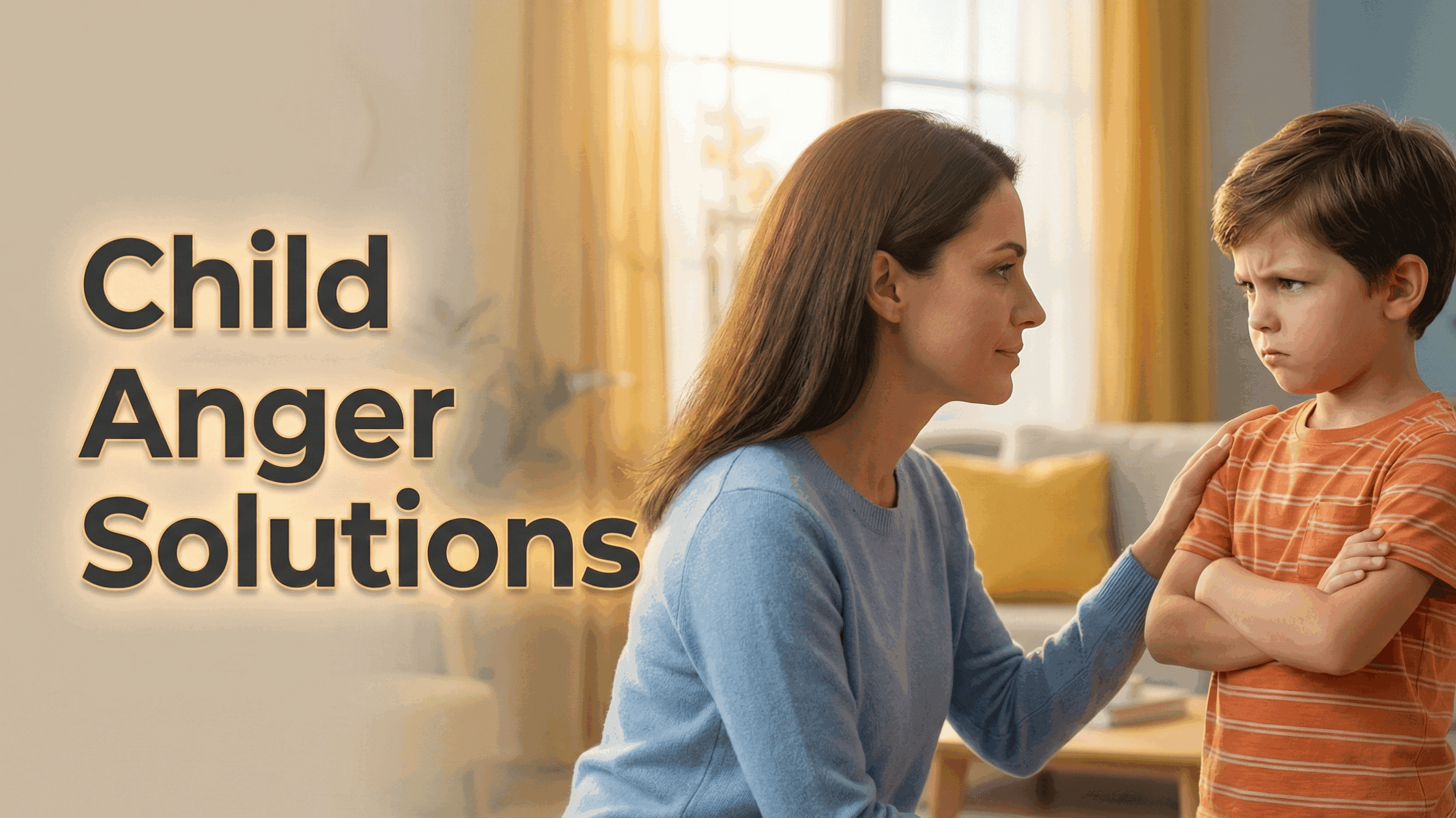
Child Anger Issues: Why Kids Get Angry & How to Calm Them
🎯 Does your child throw tantrums, yell, or act out when frustrated? You’re not alone. Anger is a normal, healthy emotion that every child experiences. However, when anger becomes frequent, intense, or uncontrollable, it can disrupt family harmony, affect schooling, and impact your child’s relationships. This comprehensive guide based on research from American Psychological Association (APA), CDC, and NHS will help you understand why kids get angry and teach you proven, evidence-based strategies to help your child manage emotions effectively.
Why Do Kids Get Angry? Understanding the Root Causes
Anger in children isn’t random or always a sign of misbehavior. According to developmental psychology research, children experience anger for specific, understandable reasons. Understanding these triggers is the first step toward effective anger management.
1. Developmental Immaturity (Ages 2-7)
Young children’s brains are still developing. The prefrontal cortex—responsible for impulse control, decision-making, and emotional regulation—doesn’t fully mature until the mid-20s. This means toddlers and preschoolers:
- Cannot yet control impulses or delay gratification
- Have limited ability to think through consequences
- React emotionally before their rational brain engages
- Cannot articulate complex feelings verbally
2. Inability to Express Emotions Verbally
Children often lack the emotional vocabulary to describe what they’re feeling. When they feel frustrated, confused, or sad, they may express it through anger because it’s the most visible outlet. APA research shows that teaching emotional vocabulary significantly reduces aggressive outbursts.
3. Unmet Needs and Frustration
When children don’t get what they want—a toy, extra time, or attention—they experience genuine frustration. To them, these desires feel urgent and important. Anger is their way of expressing that frustration.
4. Emerging Self-Awareness (Ages 3+)
As children develop self-awareness, they also develop a strong sense of autonomy. They want independence but don’t always have the skills to achieve it. This internal conflict often manifests as anger or defiance.
5. External Triggers and Environmental Factors
- Hunger or fatigue: Low blood sugar and tiredness reduce emotional regulation
- Transitions: Moving from one activity to another (playtime to bedtime, school to home)
- Sensory overload: Loud noises, bright lights, crowded spaces
- Changes in routine: Moving, new school, new sibling, parental separation
- Pressure or high expectations: Academic demands, competitive situations
Signs of Unhealthy Anger: When to Be Concerned
Normal anger and problematic anger look different. Here’s how to distinguish between them:
| Normal Childhood Anger | Concerning/Unhealthy Anger |
|---|---|
| Occasional outbursts (1-2x per week) | Frequent outbursts (daily or multiple times daily) |
| Triggered by specific situations | Unpredictable or triggered by minor issues |
| Subsides within 5-15 minutes with comfort | Lasts 30+ minutes or escalates without warning |
| Expressed through crying, raised voice | Includes hitting, kicking, biting, or property damage |
| Child can be reasoned with after calming | Child remains aggressive or refuses to communicate |
| Does not interfere with school/social life | Leads to school suspensions, friend conflicts |
- Your child’s anger episodes are frequent (more than 2-3 times daily)
- They hurt themselves or others during anger outbursts
- They deliberately destroy property
- Anger persists beyond 6 months despite your intervention efforts
- There’s a family history of mental health issues (anxiety, depression, bipolar disorder)
- Your child expresses feelings of hopelessness or mentions self-harm
10 Proven Calming Techniques to Help Your Child Manage Anger
These evidence-based techniques are recommended by psychologists, the American Psychological Association, and child development experts. Each can be taught to your child and practiced regularly.
How to Teach These Techniques Effectively
Practice During Calm Times
Don’t introduce techniques when your child is angry. Teach and practice them when calm. This helps the skills become automatic.
Keep It Simple & Age-Appropriate
Use simple language, short explanations, and demonstration. For preschoolers, combine techniques with play and stories.
Model the Behavior
Children learn by watching. When you’re stressed, openly use calming techniques: “I’m feeling frustrated, so I’m going to take deep breaths.”
Praise Effort & Progress
When your child attempts to use a technique, even imperfectly, praise their effort. “I saw you trying to calm down—that’s great!”
Parent’s Role in Child Anger Management: What Research Shows
Your behavior during your child’s anger outburst directly influences their ability to calm down and learn from the experience. Here are evidence-based parenting strategies:
1. Stay Calm Yourself
When a child is angry, their emotional state becomes contagious. If you react with anger or frustration, your child will escalate further. APA research on emotion regulation shows that children regulate their emotions by mirroring their parents’ regulation. Take deep breaths, lower your voice, and maintain a neutral expression.
2. Validate Their Feelings
Saying “I know you’re angry” or “Your feelings matter to me” doesn’t mean you’re accepting the behavior. You’re acknowledging the emotion, which helps the child feel heard and understood. This is crucial for building trust and emotional security.
3. Set Clear, Consistent Boundaries
Children need to know that while anger is acceptable, certain behaviors (hitting, kicking, destroying property) are not. Clear consequences taught calmly—not in anger—are more effective than harsh punishment. Example: “Anger is okay, but hitting is not. If you hit, we’ll take a break in the calm-down corner.”
4. Create a Safe Environment for Expression
Encourage open communication about feelings. Ask questions like “What made you angry?” or “What happened right before you felt frustrated?” This builds emotional vocabulary and helps your child identify triggers.
5. Avoid Shaming or Punishment During Anger
Don’t lecture, criticize, or punish during an active outburst. The child’s rational brain is offline. Wait until they’re calm, then discuss what happened and what could be done differently next time.
Understanding Your Child’s Anger Triggers: The Trigger Tracker Method
Every child has unique triggers that set off anger. Identifying these patterns helps you prevent or prepare for outbursts. This method, recommended by child psychologists, has proven highly effective.
How to Create an Anger Trigger Tracker
- Date & Time: When did the anger happen?
- What happened before: What was your child doing? What event triggered it?
- Physical state: Was the child hungry, tired, sick, or overstimulated?
- Intensity (1-10): How severe was the outburst?
- Duration: How long did it last?
- What helped: What calmed your child down?
- Specific times of day when anger is more likely
- Common triggers (transitions, loud noises, denials, etc.)
- Environmental factors (hunger, tiredness, overstimulation)
- What calming techniques work best
Common Anger Triggers (Ages 2-10)
- Transitions: “Turn off the iPad,” “Time to leave the park,” “Bedtime”
- Denied requests: “Can’t have the toy,” “No more candy,” “Not today”
- Losing games or competitions: Not winning, making mistakes
- Feeling excluded or misunderstood: Sibling getting attention, friend saying “no”
- Sensory overload: Loud environments, unexpected textures, bright lights
- Physical discomfort: Hunger, tiredness, being too hot/cold
- Changes to routine: New school, moved classroom, unexpected schedule changes
- Pressure or high expectations: Difficult homework, sports performance, perfectionism
Once you’ve identified triggers, you can:
- Prepare your child ahead of time (“We’re leaving in 5 minutes”)
- Avoid unnecessary triggers when possible
- Have calming techniques ready when triggers are unavoidable
- Teach your child to recognize their own warning signs
When to Seek Professional Help for Child Anger Issues
While most childhood anger can be managed at home with the strategies in this guide, some situations require professional intervention. Here’s when to consult a professional:
Red Flags Requiring Professional Assessment
- Anger outbursts occurring more than 2-3 times daily despite consistent intervention
- Physical aggression toward others (hitting, kicking, biting, scratching)
- Self-harming behaviors (head-banging, hitting self, scratching)
- Destruction of property intentionally
- Threats toward self or others (“I want to die,” “I’ll hurt you”)
- Symptoms lasting more than 6 months despite your efforts
- School suspensions related to anger/aggression
- Loss of friendships due to aggressive behavior
- Family history of anxiety, depression, bipolar disorder, or ADHD
Types of Professional Support Available
Evidence-Based Treatments with Proven Success Rates:
- Cognitive Behavioral Therapy (CBT): 70-80% effectiveness for anger disorders
- Parent-Child Interaction Therapy (PCIT): Specifically designed for ages 2-7 with behavioral issues
- The Incredible Years Program: Focuses on parent skills training; 65-75% improvement rates
- School-Based Interventions: Teacher collaboration for consistent strategies
Frequently Asked Questions: Child Anger Management
Conclusion: Your Child Can Master Anger Management
Childhood anger is normal, but it doesn’t have to be unmanageable. By understanding why children get angry, teaching evidence-based calming techniques, and responding consistently with validation and boundaries, you can help your child develop emotional resilience that will serve them throughout their lives.
Remember:
- Anger is not the enemy—it’s valuable information that something needs attention
- Every child develops at their own pace; patience and consistency matter more than perfection
- Your calm, supportive response teaches your child how to manage difficult emotions
- Small improvements compound into lasting change
- Professional support is available and effective when needed
Your child is learning one of life’s most important skills: emotional regulation. With your guidance and support, they will develop the tools to navigate anger constructively, build stronger relationships, and achieve greater success academically and socially.
- 🧠 How to Improve Concentration in Kids
- 😴 Sleep Problems in Children: Complete Guide
- 📚 Study Anxiety in Children: Causes & Solutions
- 👥 Ultimate Kids Problems Guide — Expert 100 FAQs & Solutions
- Tantrums in Kids: 7-Causes & Proven Ways to Stop Meltdowns
- Stubborn Child Solutions: How to Handle Stubborn Behavior Peacefully 2026
Help Your Child Master Anger Management Today
Use the strategies from this guide, practice consistently, and watch your child develop emotional resilience. Every child can learn to manage anger effectively with the right tools and support.