
Evidence-Based Parenting Hacks That Actually Work: A Research-Backed Guide to Raising Resilient Children
The frantic morning routine has become so familiar it feels like a script: you call your child three times, negotiate over breakfast, search for missing shoes, and watch the clock spiral toward tardiness. By the time everyone reaches the door, you are exhausted, your child is dysregulated, and the day has barely begun.
This scenario repeats itself in households worldwide, not because parents lack commitment or children lack cooperation, but because most parenting advice fails to address a fundamental truth: isolated tips cannot solve systemic problems.
The parenting hack industry has exploded in recent years, promising quick fixes for complex developmental challenges. Social media platforms overflow with strategies claiming to transform behavior overnight, while blogs compile hundreds of disconnected tips that parents frantically bookmark but rarely implement. Research from the Harvard Center on the Developing Child reveals why this approach consistently fails: child development operates through interconnected systems, not isolated interventions.
When researchers examined what distinguishes effective parenting interventions from unsuccessful ones, they discovered something unexpected. The most powerful changes emerged not from accumulating more strategies, but from understanding the underlying developmental principles that make those strategies effective. A systematic review commissioned by the World Health Organization analyzing 435 randomized controlled trials across 65 countries found that parenting interventions reduce negative behaviors and improve positive parenting across all contexts—but only when parents understand the neurobiological foundations driving child behavior.
The distinction matters enormously. A parent who learns a specific timeout technique has acquired a tool. A parent who understands how a child’s prefrontal cortex develops the capacity for self-regulation has acquired a framework for decision-making that adapts to every situation their child encounters. This article synthesizes decades of research into evidence-based strategies that work because they align with how children’s brains actually develop.
Why Most Parenting Advice Fails: The Systems Problem
Parents today consume more parenting advice than any previous generation, yet report feeling less confident in their abilities. The paradox stems from a fundamental mismatch between how advice is delivered and how child development actually unfolds.
Most parenting content follows a predictable pattern: identify a problem behavior, provide a tactical solution, move to the next issue. The approach treats symptoms while ignoring root causes. A child throws tantrums, so parents learn distraction techniques. The same child struggles with transitions, so they implement countdown timers. Sleep problems emerge, and a new protocol appears. Each strategy exists in isolation, disconnected from the developmental architecture underneath.
The American Psychological Association’s comprehensive review of evidence-based parenting practices emphasizes a critical point: sustainable behavior change requires addressing the foundational systems that regulate development. These systems include executive function capacities, emotional regulation pathways, and the neurobiological stress response mechanisms that shape every aspect of a child’s experience.
Consider executive function—the air traffic control system of the brain that manages working memory, cognitive flexibility, and impulse control. These skills develop gradually from infancy through early adulthood, shaped profoundly by environmental experiences and adult scaffolding. A child who appears “defiant” at breakfast may actually be struggling with poor executive function development: difficulty shifting attention from one preferred activity to morning tasks, limited working memory for multi-step routines, and underdeveloped impulse control when facing undesired demands.
No single hack addresses this complexity. Parents who deploy time-limited consequences without understanding their child’s executive function capacity often inadvertently worsen the situation, triggering stress responses that further impair cognitive control. Research published in the Proceedings of the National Academy of Sciences demonstrates that nurturing parental behaviors during early childhood lead to significantly larger hippocampal volume—a brain region critical for memory, learning, and stress regulation.
Key Insight: The systems perspective reveals why some families implement identical strategies with wildly different outcomes. A visual schedule might transform mornings for one child while proving irrelevant for another, not because the tool itself lacks value, but because its effectiveness depends on the child’s current developmental stage, temperament characteristics, family stress levels, and dozens of other contextual variables.
This understanding shifts the fundamental question from “What hack will fix this behavior?” to “What underlying capacity needs strengthening, and what environmental conditions support that development?”
The Neurobiological Foundation: How Children’s Brains Develop Self-Regulation
Before exploring specific parenting strategies, understanding the biological architecture that determines whether those strategies succeed becomes essential. The developing brain operates according to predictable principles that either support or undermine behavioral interventions.
Executive Function and the Prefrontal Cortex
Executive function skills—including working memory, cognitive flexibility, and inhibitory control—represent the brain’s capacity to manage information, make decisions, and plan ahead. According to the Harvard Center on the Developing Child, these skills develop slowly from infancy through early adulthood, with particularly rapid growth during the preschool years and again during adolescence.
The prefrontal cortex, which governs these executive functions, matures last among brain regions. This biological reality explains why children struggle with impulse control, emotional regulation, and long-term planning—not due to defiance or poor character, but because the neural circuitry required for these capacities remains under construction.
Research shows that children build executive function skills through engagement in meaningful social interactions and enjoyable activities that draw on self-regulatory skills at increasingly demanding levels. Parents function as external regulators during early development, gradually transferring responsibility as children’s internal capacities strengthen. This scaffolding process cannot be rushed, but it can be systematically supported.
The Stress Response System and Cortisol
When children encounter challenging situations—from morning transitions to homework frustration—their nervous systems activate stress responses designed to ensure survival. The hypothalamic-pituitary-adrenal (HPA) axis releases cortisol, mobilizing energy and heightening alertness. This response becomes problematic when chronically activated.
Unpredictable environments, harsh discipline, and chaotic routines maintain children in states of physiological hypervigilance. Research on allostasis—the body’s ability to anticipate and prepare for change—reveals that predictable routines help children’s nervous systems regulate more efficiently. When children know what comes next, their brains can allocate cognitive resources to learning rather than constantly scanning for threats.
Studies demonstrate that children from unpredictable or chronically stressful environments benefit most from consistent, structured home routines. The predictability itself becomes therapeutic, allowing dysregulated stress systems to recalibrate.
Emotional Co-Regulation and Mirror Neurons
Young children cannot regulate emotions independently. They require adult co-regulation—the process through which caregivers lend their calm nervous systems to help children return to baseline arousal. Research published in the National Center for Biotechnology Information database examining parental emotion regulation strategies found that parents’ own regulatory capacities directly predict children’s social-emotional adjustment.
Mirror neurons fire both when individuals perform actions and when they observe others performing those actions. Children literally internalize their parents’ regulatory strategies through repeated observation and interaction. A parent who models calm problem-solving during frustration teaches far more effectively than one who verbally instructs about calm behavior while displaying dysregulation.
The research carries profound implications: parents must prioritize their own emotional regulation not as self-care luxury, but as essential parenting infrastructure. Techniques for managing parental stress directly shape children’s developing capacity for self-regulation.
Morning Routines: Building Executive Function Through Predictability
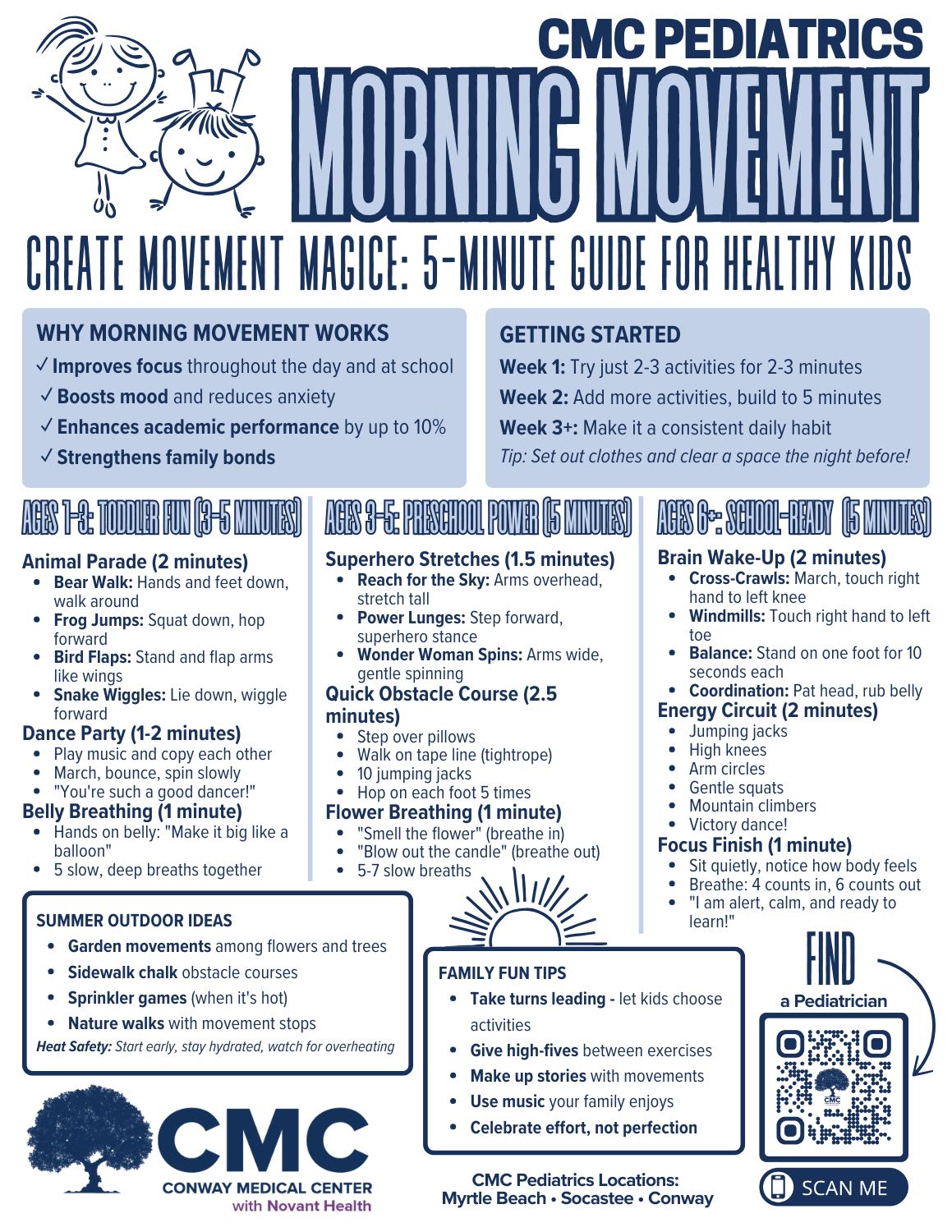
Morning chaos stems primarily from mismatched expectations. Parents envision smooth sequences while children navigate cognitively demanding transitions with immature executive function capacities. Evidence-based morning strategies reduce this gap by offloading cognitive demands onto environmental structure.
The Neuroscience of Predictable Mornings
Research demonstrates that consistent routines reduce cognitive load, freeing working memory for higher-level tasks. When children follow predictable morning sequences, they develop procedural memory—the ability to complete tasks automatically without conscious effort. This automaticity becomes crucial because working memory in young children holds extremely limited information.
Studies examining routines and cognitive development show that predictability supports attention, emotional regulation, and memory formation. Children whose mornings follow consistent patterns demonstrate better behavioral control throughout the day compared to those experiencing variable routines.
Implementation Strategy: Visual Sequence Boards
Create a visual representation of the morning routine using photographs or simple drawings. Sequence five to seven essential tasks: wake up, bathroom, get dressed, breakfast, brush teeth, shoes, backpack. Mount the display at your child’s eye level in a consistent location.
The critical element involves consistency, not perfection. Following approximately the same sequence at approximately the same time each day creates the neural pathways that make mornings progressively easier. Variations occasionally occur—life demands flexibility—but the baseline pattern remains stable.
For children with developing literacy skills, pair images with simple text. For younger children, photographs of your actual child completing each step prove more effective than generic clipart because they activate recognition memory.
The Transition Warning System
Children’s brains require time to disengage from current activities and prepare for transitions. Neurologically, attention shifting represents a high-demand executive function task. Abrupt transitions trigger stress responses because they demand immediate cognitive flexibility children often cannot provide.
Implement a consistent time-warning protocol: “Ten minutes until we leave.” Five-minute warning. Two-minute warning. Final notice. The specific intervals matter less than the consistency. Children begin to internalize the pattern, developing their own sense of time awareness and transition preparation.
Research shows this approach reduces oppositional behavior not by incentivizing compliance but by aligning demands with neurobiological capacity. When children receive adequate cognitive preparation time, their nervous systems remain regulated, making cooperation neurologically accessible.
The Power of Routine Ownership
Executive function development requires practice at age-appropriate challenges. As children mature, gradually transfer morning responsibility from adult-directed to child-directed. A four-year-old might choose between two clothing options. A seven-year-old manages their entire morning independently with occasional support.
This developmental progression builds the self-management capacities essential for long-term success. Studies from the Harvard Center show that children who practice age-appropriate executive function tasks demonstrate stronger academic outcomes, better social relationships, and improved mental health across the lifespan.
Emotional Regulation: Teaching Children to Manage Big Feelings
Emotional meltdowns represent one of parenting’s most challenging aspects, yet research reveals they also offer crucial learning opportunities. The key lies in understanding what happens neurologically during emotional dysregulation and how parental responses either support or undermine regulatory development.
Understanding the Dysregulated Brain
When children become emotionally overwhelmed, their amygdala—the brain’s alarm system—activates rapidly, triggering fight-flight-freeze responses. The prefrontal cortex, responsible for rational thought and emotional regulation, goes temporarily offline. During these moments, children literally cannot access reasoning, problem-solving, or behavioral control.
The WHO guidelines on parenting interventions emphasize that harsh responses during dysregulation compound the problem by adding parental stress to an already overwhelmed nervous system. Research consistently shows that calm parental presence during emotional storms builds children’s capacity for self-regulation far more effectively than punishment, time-outs, or reasoning attempts.
The Co-Regulation Framework
Effective emotional regulation teaching begins with parental co-regulation. When your child melts down, your primary task involves maintaining your own calm. This sounds deceptively simple but requires practice because mirror neurons cause emotional contagion—dysregulation spreads between nervous systems.
Physical proximity combined with calm presence communicates safety to a dysregulated child. Some children tolerate touch during meltdowns; others require space. Both responses reflect normal nervous system variations. The essential element involves remaining emotionally available while the storm passes, communicating through your regulated presence that overwhelming feelings eventually subside.

Research demonstrates that children who consistently receive co-regulation during emotional overwhelm develop stronger independent regulation capacities over time. The adult’s calm nervous system literally teaches the child’s developing system how to return to baseline.
For parents seeking specific techniques to manage acute emotional situations, the 2-minute emotional de-escalation techniques provide practical immediate strategies that align with this neurobiological framework.
Emotion Naming and Validation
Once immediate dysregulation subsides—a child’s breathing slows, body tension releases—brief emotion naming supports integration. “That felt really frustrating” or “You were angry when your tower fell” helps children begin connecting internal experiences with language labels.
The research on this practice proves compelling. Studies in the NCBI database examining emotion regulation development show that parents who consistently name and validate emotions raise children with superior emotional vocabulary, better self-awareness, and more adaptive coping strategies.
Validation does not mean agreement. You can validate feelings while maintaining boundaries around behavior: “You’re angry that screen time ended. Anger makes sense. And we still need to turn off the device.” This dual message teaches emotional legitimacy alongside behavioral expectations.
Building the Feeling Toolbox
Between emotional episodes, when children feel calm and regulated, introduce concrete regulation strategies they can eventually use independently. Deep breathing exercises adapted for children—blowing bubbles, belly breathing with a stuffed animal—engage the parasympathetic nervous system. Progressive muscle relaxation, sensory strategies like squeezing ice or smelling calming scents, and movement breaks all provide physiological regulation pathways.
The crucial implementation principle involves practice during calm moments, not during crises. When children’s prefrontal cortices are online and accessible, they can learn and internalize new skills. Attempting to teach breathing exercises during a meltdown fails because the learning centers are temporarily offline.
For comprehensive approaches to creating emotionally regulated environments, calm kids, calm home offers additional research-backed strategies that address whole-family emotional regulation.
The Long View on Tantrums
Temperament research shows that some children experience emotions more intensely than others due to genetic variations in sensitivity, reactivity, and regulation capacity. These differences are neurobiological, not behavioral choices. High-intensity children require more co-regulation over longer developmental periods.
This reality challenges parents emotionally because intensive regulation needs can persist years longer than expected. The research offers reassurance: children who receive consistent co-regulation despite challenging temperaments develop effective regulation eventually. The timeline varies, but the developmental trajectory remains positive when parents maintain supportive responses despite difficulty.
Homework and Learning: Supporting Executive Function Development
Academic struggles often reflect underdeveloped executive function rather than intelligence deficits or motivational problems. When parents recognize this distinction, their support strategies shift from external pressure to capacity building.
The Working Memory Challenge
Working memory—the ability to hold and manipulate information mentally—limits children’s capacity to complete multi-step tasks. A homework assignment requiring reading comprehension, written response, and problem-solving simultaneously taxes working memory beyond many children’s current capacity.
Rather than pushing harder, effective strategies break complex tasks into manageable components. Read the problem together. Discuss the question. Write an outline. Draft the response. Each step succeeds when working memory demands remain within the child’s zone of proximal development—the space between what they can do independently and what they can achieve with support.
Environmental Structure Reduces Cognitive Load
Research examining cognitive development shows that environmental organization directly impacts task completion. A designated homework space, free from visual and auditory distractions, reduces the executive function demands required to maintain focus. Consistent timing—homework happens after snack, before free play—eliminates decision-making fatigue about when to begin.
These structures serve as external executive functions, supporting children whose internal capacities are still developing. As skills strengthen, environmental supports gradually fade. A teenager might independently choose homework timing and location; a second-grader requires those decisions made for them.
The Problem of Intrinsic Motivation
Parents frequently worry about children who resist homework, interpreting the behavior as lack of motivation or poor work ethic. Developmental research suggests a more nuanced explanation. Intrinsic motivation emerges from competence, autonomy, and relatedness—the perception that one can succeed, has some control, and feels connected to others during the process.
When homework consistently frustrates, when children feel controlled rather than supported, and when the activity damages parent-child relationships, intrinsic motivation deteriorates. The solution involves reframing homework as a collaborative problem-solving opportunity rather than a compliance battleground.
Parents who sit nearby, offering presence without hovering, communicate support. Those who problem-solve strategies together—”What might help you focus better?”—build autonomy. Celebrating effort over outcomes fosters growth mindset: “You worked hard figuring out that math strategy” proves more effective than “You’re so smart.”
When to Seek Additional Support
Some children demonstrate executive function delays significant enough to warrant professional evaluation. If homework battles consume multiple hours nightly, if children cannot initiate tasks despite sincere effort, or if working memory limitations severely impact academic progress, consultation with educational psychologists or occupational therapists becomes appropriate.
These professionals assess specific executive function components and recommend targeted interventions. Early identification and support prevent the secondary emotional problems—anxiety, poor self-concept, school avoidance—that emerge when children chronically struggle without adequate assistance.
Discipline and Behavior: The Evidence on What Actually Changes Conduct
Traditional discipline approaches—time-outs, consequences, punishment—dominate parenting advice despite mixed research support. The evidence reveals a more complex picture: some strategies work for some children in some contexts, while others consistently undermine parent-child relationships without improving behavior.
The Limits of Consequences
Behaviorist approaches assume that children behave poorly due to inadequate motivation. Logical consequences and punishment theoretically teach children to choose better behavior next time. Research examining parenting interventions for child conduct problems reveals significant problems with this model.
Children with executive function challenges, high sensitivity, or trauma histories respond poorly to consequence-based discipline because these approaches ignore neurobiological realities. A child who hit their sibling during emotional dysregulation lacked frontal lobe control in that moment—adding consequences after the fact does not build the missing regulatory capacity.
Meta-analyses of discipline effectiveness show moderate effects for specific populations but reduced or absent effectiveness for children with significant behavioral challenges, those from high-stress environments, or those with developmental delays. The one-size-fits-all approach fails because children’s neurodevelopmental diversity demands individualized responses.
Positive Discipline: The Research Support
Studies examining positive discipline approaches consistently demonstrate superiority over punitive methods. Positive discipline emphasizes skill-building, emotional validation, logical problem-solving, and relationship preservation while maintaining firm boundaries.
The framework operates from a fundamentally different assumption: most misbehavior reflects missing skills, unmet needs, or developmental limitations rather than willful defiance. When parents investigate the function behind behavior, they address root causes rather than symptoms.
A child who throws toys might be communicating frustration they cannot verbalize, testing physical cause-and-effect relationships, seeking sensory input, or expressing boredom. Each underlying cause requires different responses. Punishment addresses none of them, while collaborative problem-solving builds communication skills, appropriate sensory strategies, and emotional literacy.
Research shows positive discipline leads to improved parent-child relationships, better emotional regulation, stronger intrinsic motivation, and reduced recurrence of problem behaviors compared to punishment-based approaches. The effects strengthen over time as children internalize self-regulation capacities.
The Role of Natural Consequences
Natural consequences—when children experience the logical results of their choices—provide powerful learning without parental intervention. A child who refuses a coat feels cold. One who breaks a toy loses access to that toy. These experiences teach cause and effect without damaging relationships.
The research distinction proves crucial: natural consequences work when age-appropriate and safe, while arbitrary punishments disguised as “logical consequences” undermine trust. “You hit your brother, so no screen time this week” represents adult-imposed punishment, not natural cause-and-effect. “You hit your brother, so I need to keep everyone safe. Let’s sit together until you’re ready to play gently” addresses the actual problem.
Consistency Versus Rigidity
Parents often hear that consistency matters most in discipline. Research clarifies this principle: consistency in emotional tone and relationship prioritization matters enormously; consistency in specific consequences matters less than responsiveness to context.
A child who knocks over milk accidentally receives different responses than one who throws their cup deliberately, even though the outcome—spilled milk—appears identical. Developmentally appropriate discipline recognizes intention, emotional state, and capacity in determining responses.
Studies show that rigid rule enforcement without contextual consideration associates with increased child anxiety, reduced problem-solving skills, and damaged parent-child attachment. Responsive discipline—maintaining consistent values while adapting specific responses to circumstances—produces optimal outcomes.
Screen Time: Balancing Research Evidence with Modern Reality
Screen time represents one of modern parenting’s most contentious topics. Research provides clear guidance on developmental risks while acknowledging the complexity of contemporary family life.
The Developmental Concerns
Multiple studies examining screen time effects on children demonstrate concerning associations. Children under two exposed to significant screen time show six times higher likelihood of language delays. Those ages two to five with two-plus hours daily demonstrate increased behavioral problems, poor vocabulary development, and delayed developmental milestones.
The mechanism involves opportunity cost: time spent with screens displaces activities crucial for development. Babies learn language through face-to-face interaction with responsive adults, not passive screen exposure. Toddlers develop motor skills through active play, spatial reasoning through hands-on exploration, and emotional regulation through human co-regulation—none of which screens provide.
Cognitive development research published in 2023 found that 18-month-old children with two or more hours daily screen exposure scored significantly lower on cognitive assessments compared to those with limited exposure. Major health organizations provide consistent recommendations to protect developing brains.
Evidence-Based Guidelines
Children under 18 months should have no screen exposure except video calling with family. This recommendation reflects the complete lack of benefit and potential harm during the period of most rapid brain development.
Ages 18 to 24 months may have minimal exposure to high-quality educational content, but only when parents co-view and discuss the material. The adult interaction transforms passive consumption into active learning.
Children ages two to five should limit screen time to one hour daily of high-quality programming. The “high-quality” designation matters enormously—educational content designed for child development differs fundamentally from entertainment programming or adult content.
School-age children should limit recreational screen time to less than two hours daily while parents remain engaged in conversation about content. This guideline becomes increasingly difficult as children age but remains developmentally important.
The Implementation Challenge
Knowing guidelines differs vastly from implementing them in households where both parents work, children need distance learning, and screens provide rare moments of calm. Research on behavior change emphasizes meeting families where they are rather than imposing idealistic standards that generate guilt without behavior change.
Effective strategies begin with honest assessment. Track actual current screen time for one week without judgment. Many parents underestimate by hours when asked to estimate. Data provides the foundation for realistic goal-setting.
Incremental reduction works better than dramatic elimination. Families averaging four hours daily might target three hours as an initial goal. Success at that level builds confidence for further reduction. All-or-nothing approaches typically fail because they trigger resistance and unsustainability.
Environmental design supports success more effectively than willpower. Removing screens from bedrooms eliminates sleep disruption temptation. Establishing screen-free zones—dining table, car during short trips—creates natural limits. Keeping devices charging in a common area overnight reduces temptation for everyone, including parents.
The Content Question
Research distinguishes clearly between screen time types. Passive consumption of entertainment programming provides minimal developmental benefit and associates with negative outcomes. Interactive educational content with parental co-viewing shows neutral to modestly positive effects. Video calls with distant family members provide genuine social-emotional benefits.
Quality assessment matters. Programs designed by child development experts to teach specific skills differ fundamentally from algorithm-driven content optimized to maximize viewing time. Parents can evaluate content by watching several episodes themselves: Does it teach specific concepts? Use age-appropriate language? Avoid frightening content? Encourage active engagement? Avoid manipulative marketing?
When Screens Serve Regulation
The most guilt-inducing screen time often involves using devices to manage child behavior—during grocery shopping, restaurant meals, or when parents need focused work time. Research on parental stress and family functioning suggests pragmatic middle ground.
Screens as occasional regulation tools when parents are depleted do not cause the developmental harm associated with chronic high-volume exposure. The distinction lies in patterns versus exceptions. A child who watches an educational program during a parent’s work video call experiences different developmental impacts than one with screens available unlimited hours daily.
The challenge involves preventing exceptions from becoming patterns, which requires system-level thinking. If screens regularly enable grocery shopping, the family needs an alternative strategy—delivery services, shopping during partner availability, or accepting that toddlers will be toddlers in grocery stores.
Sleep and Bedtime: The Foundation of Regulation
Sleep deprivation undermines every aspect of child development: learning, emotional regulation, behavioral control, physical health, and stress management. Yet sleep battles plague many families, often due to schedules misaligned with neurobiology.
The Biological Clock
Children’s circadian rhythms—internal biological clocks regulating sleep-wake cycles—differ significantly by age. Toddlers naturally become sleepy around 7:00–8:00 PM. School-age children require earlier bedtimes than many families implement. Teenagers’ circadian rhythms genuinely shift later, creating conflict with early school start times.
Fighting against biology rarely succeeds. When bedtime schedules align with children’s natural sleep pressure, falling asleep occurs relatively easily. When families attempt bedtimes significantly later than biological readiness, power struggles emerge not from defiance but from genuine physiological wakefulness.
The Research on Routine
Studies examining sleep interventions consistently identify bedtime routines as among the most effective strategies for improving sleep quality and reducing bedtime resistance. The mechanism involves predictability: consistent sequences cue the brain that sleep approaches, initiating the physiological changes necessary for sleep onset.
Effective bedtime routines share common elements: they occur at approximately the same time nightly, follow the same sequence, incorporate calming activities, and involve connection without stimulation. Bath, teeth brushing, pajamas, stories, songs, lights out—the specific sequence matters less than its consistency.
The duration should match the child’s needs, typically 20 to 45 minutes from routine start to lights out. Rushing creates arousal; excessive prolonging invites stalling. Once established, routines become self-reinforcing because children’s bodies learn to anticipate sleep at predictable times.
Common Sleep Disruptors
Screen exposure before bed suppresses melatonin production, delaying sleep onset. The research recommendation involves ending screen time 60 to 90 minutes before bedtime. Blue light from devices proves particularly problematic, but content also matters—exciting programming increases arousal incompatible with sleep.
Inconsistent schedules disrupt circadian rhythms. When weekend bedtimes shift multiple hours later than weekday timing, children essentially experience jet lag, entering Monday sleep-deprived and dysregulated. Maintaining similar schedules seven days weekly supports optimal sleep quality.
Physical activity timing influences sleep. Active play during daylight hours promotes sleep, but vigorous activity immediately before bed creates arousal that delays sleep onset. The ideal timing involves outdoor physical activity earlier in the day, with calm activities during the evening hours.
Room environment significantly impacts sleep quality. Temperature between 65 and 70 degrees Fahrenheit optimizes sleep. Complete darkness supports melatonin production. White noise masks disruptive sounds. Small adjustments to sleep environment often produce substantial improvements.
When Sleep Problems Persist
Some children experience sleep disorders requiring professional intervention. Obstructive sleep apnea, restless leg syndrome, and chronic insomnia warrant medical evaluation. Signs include persistent snoring, gasping during sleep, extreme difficulty falling asleep despite good sleep hygiene, or daytime sleepiness despite adequate sleep opportunity.
Behavioral interventions for bedtime resistance prove effective for typically developing children but may fail for those with sensory processing differences, anxiety disorders, or neurodevelopmental conditions. These children benefit from specialized assessment and individualized intervention plans developed with healthcare providers.
From Hacks to Systems: Building Sustainable Family Routines
Individual strategies provide tactical value, but lasting change requires systems thinking. Families that successfully transform their daily functioning do so by understanding how specific practices interconnect within broader developmental frameworks.
The Cascading Effect of Routines
Research examining family routines reveals cascading benefits extending beyond immediate behavioral goals. Consistent morning routines reduce stress, improving everyone’s emotional regulation throughout the day. Better emotional regulation enhances cooperation during homework time. Successful homework experiences increase children’s academic confidence, reducing resistance over time. Less homework conflict preserves evening calm, supporting better sleep. Improved sleep enhances morning cooperation, completing the cycle.
This interconnection explains why addressing multiple domains simultaneously often proves more effective than perfectionism in single areas. A family implementing moderately good routines across mornings, meals, homework, and bedtime experiences better outcomes than one with perfect morning routines but chaos in other domains.
Implementation Strategies
Behavioral change research identifies implementation intentions as powerful tools for success. Rather than vague goals—”We’ll have better mornings”—effective plans specify exactly when, where, and how new behaviors occur: “When my alarm rings at 6:15 AM, I will complete my coffee before waking the children. When I enter their room at 6:30, I will turn on soft lights and use a calm voice.”
The specificity matters because it creates neural pathways supporting automatic execution. Vague intentions require continuous decision-making, depleting willpower. Specific implementation plans become habitual through repetition.
Starting small prevents overwhelm. Select one domain for initial focus. Implement consistently for three to four weeks before adding additional changes. This timeline reflects the period required for new neural pathways to form and behaviors to feel automatic rather than effortful.
Troubleshooting Inevitable Setbacks
No family maintains perfect consistency indefinitely. Illness, travel, schedule disruptions, and life stress inevitably derail routines. The research-backed approach involves planning for disruption rather than treating lapses as failures.
When routines break down, brief conversation about returning to structure helps children transition: “We’ve had a challenging week and things felt chaotic. Starting tomorrow, we’re returning to our regular morning routine.” This framing normalizes temporary inconsistency while affirming the commitment to structure.
Some families benefit from tiered routines: full routine for typical days, simplified routine for challenging circumstances, survival mode for genuine crisis. Permission to scale back during stress prevents the all-or-nothing thinking that causes families to abandon routines entirely after temporary disruption.
The Parent Self-Care Imperative
Research examining parenting effectiveness consistently identifies parental well-being as among the strongest predictors of child outcomes. Parents operating from depletion cannot provide the emotional co-regulation, patient problem-solving, and consistent routines that support development.
Self-care in this context does not mean spa days—though those have value—but rather the basic practices maintaining physiological and emotional regulation: adequate sleep, basic nutrition, minimal physical activity, and social connection. Studies show parents who prioritize these fundamentals demonstrate better parenting behaviors, warmer relationships with children, and greater resilience during challenges.
The implementation challenge involves treating parental needs as family infrastructure rather than optional extras. A family budget includes housing, food, and utilities as non-negotiable. Parental regulation requirements deserve similar status: non-negotiable investments in family functioning.
Common Mistakes Parents Make: What Research Reveals
Even well-intentioned parents commonly implement strategies that undermine their goals. Understanding these pitfalls helps families avoid common traps.
Mistake 1: Developmentally Inappropriate Expectations
Parents frequently expect regulatory capacities children have not yet developed. Demanding that a four-year-old “use their words” during emotional meltdowns ignores that their prefrontal cortex cannot access language when the amygdala is activated. Expecting a six-year-old to remember multi-step morning routines without visual support asks working memory to exceed its capacity.
Research on child development emphasizes matching expectations to neurobiological reality. When parents understand typical development timelines, they interpret behavior more accurately. A toddler who refuses to share is not selfish; they are demonstrating age-appropriate limited perspective-taking capacity. A teenager who makes impulsive decisions reflects ongoing prefrontal cortex maturation, not defiance.
This understanding does not eliminate boundaries but shifts how parents enforce them. Rather than moral judgment about character flaws, parents recognize missing skills requiring teaching and practice.
Mistake 2: Inconsistent Implementation
Starting multiple strategies simultaneously, maintaining them briefly, then abandoning them when immediate results do not appear represents a common pattern. Research on behavioral change shows this approach fails because it does not allow adequate time for neural pathway development or habit formation.
Effective implementation involves selecting fewer strategies, committing longer, and measuring progress realistically. Behavioral change typically requires three to six weeks of consistent practice before feeling automatic. Families should expect initial difficulty, gradual improvement, and eventual automaticity—not immediate transformation.
Mistake 3: Ignoring Individual Differences
Cookie-cutter approaches fail because children differ substantially in temperament, sensitivity, regulation capacity, and developmental pace. Strategies effective for easy-going children may overwhelm highly sensitive ones. Techniques working for neurotypical development may completely fail for children with ADHD, autism, or sensory processing differences.
Research emphasizes the importance of individualizing approaches based on each child’s unique profile. This requires observation, experimentation, and willingness to abandon strategies that prove ineffective despite positive evidence base. The gold standard is not whether an approach worked in research trials, but whether it works for your specific child in your specific context.
Mistake 4: Relationship Sacrifice for Compliance
Parents sometimes damage relationships in pursuit of behavioral control. Harsh discipline, excessive consequences, and power struggles achieve short-term compliance while eroding trust, security, and cooperation over time.
The research literature examining long-term parenting outcomes reveals that relationship quality predicts far more variance in adult outcomes than any specific disciplinary technique. Children raised with warmth, respect, and secure attachment demonstrate better mental health, academic achievement, social competence, and life satisfaction regardless of whether parents used timeouts versus other discipline approaches.
This finding does not suggest permissive parenting—boundaries and structure remain essential. Rather, it emphasizes that how parents enforce limits matters as much as the limits themselves. Calm, connected discipline that preserves dignity while maintaining expectations serves children better than harsh control that achieves behavior change through fear.
Mistake 5: Comparison and Perfectionism
Social media amplifies parental comparison, showcasing highlight reels that generate inadequacy. Research on parenting stress identifies comparison as a significant contributor to parental burnout, anxiety, and depression.
The reality that developmental science emphasizes involves tremendous variability in normal development. Some children walk at nine months; others at 18 months. Some read at four; others at seven. Some regulate emotions early; others require years of intensive support. All these trajectories fall within typical ranges.
Perfectionism—the belief that optimal parenting requires flawless execution of all strategies—creates harmful pressure for parents and children alike. Research supports “good enough” parenting: consistently providing warmth, appropriate structure, and responsive care while accepting inevitable mistakes and limitations. This approach produces outcomes indistinguishable from perfectionist attempts while avoiding the stress that undermines family functioning.
Realistic Implementation: What to Expect When Making Changes
Parents often abandon effective strategies because their expectations about change timelines do not match reality. Understanding realistic progression prevents premature discouragement.
The Initial Difficulty Curve
New routines typically feel harder before they feel easier. The first two weeks of implementing morning visual schedules, consistent bedtime routines, or new homework systems require significant parental energy. Children may resist changes to familiar patterns. Parents must consciously remember new procedures. Everyone experiences increased frustration.
This initial difficulty does not indicate strategy failure. It reflects the learning curve inherent in behavioral change. Research on habit formation shows that new behaviors feel effortful during early implementation, gradually becoming automatic with repetition. Parents expecting immediate improvement often abandon strategies during this predictable rough patch.
The Timeline for Integration
Most behavioral interventions require three to six weeks of consistent implementation before feeling natural. During this period, parents should expect:
Week one involves intensive focus and frequent correction. Children need constant reminders. Parents must consciously execute each step. Fatigue and frustration are normal.
Weeks two through three show gradual improvement. Children begin anticipating routine steps. Parents remember procedures more automatically. Resistance typically decreases, though inconsistently.
Weeks four through six demonstrate emerging automaticity. Children increasingly internalize routines. Parents no longer consciously think through each step. The new pattern feels normal rather than forced.
Beyond six weeks, routines become self-sustaining family culture. Deviation feels uncomfortable rather than normal, naturally pulling families back toward established patterns.
Measuring Progress Appropriately
Parents should establish baseline measurements before implementing changes, then track specific metrics weekly. Rather than vague assessments—”Are mornings better?”—concrete data provides clearer feedback: “How many times did we leave on schedule this week?” “How many homework sessions occurred without conflict?” “How many nights did bedtime take less than 30 minutes?”
This data-driven approach reveals gradual improvement that subjective assessment might miss. Parents often feel things are not working while objective measures show 30% improvement—significant progress that deserves recognition rather than discouragement.
When to Adjust Strategies
Not all evidence-based approaches work for all families. Research identifies strategy modification as appropriate when genuine consistent implementation over six to eight weeks produces no measurable improvement or when a strategy consistently triggers extreme stress for parent or child.
The key distinction involves consistency. A strategy attempted sporadically for two weeks has not received fair trial. One implemented daily for two months without any progress likely requires adjustment.
Modification might involve simplifying the approach, changing timing, adding visual supports, or trying fundamentally different strategies. Consultation with professionals—pediatricians, child psychologists, family therapists—provides valuable perspective when families feel stuck.
When Parenting Strategies Are Not Enough: Seeking Professional Support
Evidence-based parenting strategies prove effective for typical development and common behavioral challenges. Some children, however, experience difficulties requiring specialized professional intervention. Recognizing this distinction prevents prolonged struggles that erode family functioning and delay necessary treatment.
Red Flags Warranting Evaluation
Certain patterns indicate that challenges extend beyond typical developmental variation:
Extreme emotional dysregulation—frequent, intense, prolonged meltdowns that last 30-plus minutes multiple times weekly despite consistent co-regulation—may indicate underlying anxiety disorders, sensory processing differences, or other conditions requiring specialized intervention.
Developmental delays across multiple domains—when children lag significantly behind age expectations in language, motor skills, social interaction, and learning—warrant comprehensive developmental assessment. Early intervention dramatically improves outcomes for various developmental conditions.
Persistent behavior problems despite consistent positive discipline—when aggression, defiance, or destructive behavior continues unchanged after three-plus months of implementing evidence-based strategies—suggests the possibility of ADHD, oppositional defiant disorder, trauma responses, or other conditions requiring professional treatment.
Sleep disturbances unresponsive to sleep hygiene improvements—chronic insomnia, parasomnias, or daytime sleepiness despite adequate sleep opportunity—may indicate sleep disorders requiring medical evaluation.
Significant regression—losing previously acquired skills in any domain—always warrants prompt evaluation regardless of other factors.
Academic struggles disproportionate to ability or effort suggest possible learning disabilities requiring psychoeducational assessment and specialized educational support.
Types of Professional Support
Various professionals offer different forms of assistance:
Developmental-behavioral pediatricians specialize in developmental and behavioral concerns, providing medical evaluation and treatment recommendations for conditions like ADHD, anxiety disorders, and developmental delays.
Child psychologists and therapists offer assessment and treatment for emotional, behavioral, and mental health concerns. Evidence-based therapies include cognitive-behavioral therapy, parent-child interaction therapy, and play therapy depending on age and presenting concerns.
Occupational therapists address sensory processing differences, motor skill delays, and activities of daily living challenges. They are particularly helpful for children who seem constantly dysregulated, seek or avoid sensory input intensely, or struggle with fine motor tasks.
Speech-language pathologists evaluate and treat communication delays and disorders affecting expression, comprehension, articulation, and social language use.
Educational specialists and school psychologists assess learning difficulties and help implement educational accommodations and interventions.
The Assessment Process
Professional evaluation typically involves multiple components: developmental history, behavioral observations, standardized assessments, and sometimes medical tests. Comprehensive assessment identifies specific challenges, rules out concerning conditions, and generates individualized intervention plans.
Many parents delay evaluation due to fear about labels or hope that children will “grow out of” difficulties. Research consistently shows that early intervention produces better outcomes than waiting. Conditions diagnosed and treated during early childhood respond more effectively than those addressed later, after years of struggle have compounded difficulties with secondary emotional problems.
Insurance and Access Considerations
Access to professional services varies dramatically based on location, insurance coverage, and financial resources. Families facing barriers should explore:
Early intervention services—federally mandated programs providing free developmental services for children under three with delays or disabilities in all regions.
School-based services—evaluations and interventions through school systems for children age three and older with suspected disabilities affecting educational performance, provided at no cost to families.
Community mental health centers—which often provide services on sliding-fee scales based on income.
University training clinics—where graduate students provide supervised services at reduced rates.
Telehealth options—expanding access to specialists regardless of geographic location.
The investment of time and resources in appropriate evaluation and intervention prevents years of family stress, supports optimal child development, and often proves less costly than managing chronic difficulties without professional support.
The Long-Term Impact: How Daily Parenting Shapes Development
The parenting decisions families make daily create cumulative effects extending far beyond immediate behavioral outcomes. Research examining long-term development reveals how present investments shape future capacities.
Executive Function: The Foundation for Success
Studies following children from early childhood through adulthood demonstrate that executive function capacities developed during the first decade of life predict academic achievement, occupational success, physical health, financial stability, and relationship quality decades later.
These findings carry profound implications: parenting practices that strengthen executive function—consistent routines, age-appropriate challenges, patient scaffolding, and opportunities for increasing independence—represent among the most valuable investments parents can make. The child who develops strong working memory, cognitive flexibility, and impulse control possesses tools for navigating every domain of adult life.
The inverse proves equally true. Children whose environments fail to support executive function development face compounding challenges. Academic struggles lead to reduced educational attainment, limiting career options. Poor impulse control contributes to financial difficulties, relationship problems, and health challenges. The cascading effects of weak executive function extend across the lifespan.
Emotional Regulation and Mental Health
Research examining adult mental health consistently identifies childhood emotional regulation development as a critical protective factor. Children who learn to recognize, label, tolerate, and effectively manage emotions demonstrate substantially lower rates of anxiety disorders, depression, and other mental health conditions during adolescence and adulthood.
The mechanism involves both skill development and nervous system regulation. Children who receive consistent co-regulation develop more flexible stress response systems. Their HPA axis—the hormonal cascade responding to stress—calibrates to manageable rather than extreme levels. These neurobiological patterns persist into adulthood, influencing how individuals respond to inevitable life stressors.
Parents providing warm, responsive emotional support literally shape their children’s long-term mental health trajectories. The moments spent sitting with a dysregulated child, validating difficult feelings, and teaching coping strategies represent preventive mental health interventions with effects lasting decades.
The Intergenerational Transmission of Parenting
Perhaps most compellingly, research shows that parenting patterns transmit across generations. Adults raised with harsh discipline tend toward harsh discipline with their own children unless they consciously interrupt the pattern. Those who experienced warm, responsive parenting naturally replicate those patterns.
This intergenerational transmission occurs through multiple mechanisms: modeling, attachment patterns, and nervous system regulation all contribute. Children internalize not just specific techniques but entire relational frameworks that unconsciously guide their adult relationships and parenting.
The implications offer both hope and responsibility. Parents working to implement evidence-based, developmentally attuned strategies are not simply managing today’s behaviors—they are shaping the parenting their grandchildren will receive. Breaking destructive patterns or maintaining positive ones represents a profound gift to future generations.
Building Resilient, Capable Adults
The ultimate parenting goal involves raising adults who navigate life’s complexities effectively: solving problems, regulating emotions, maintaining relationships, pursuing meaningful goals, and recovering from inevitable setbacks. Research confirms that children develop these capacities through years of age-appropriate practice with adult scaffolding that gradually transfers responsibility.
Parents who implement evidence-based strategies aligned with neurodevelopmental realities provide children the experiences necessary for building these capabilities. Consistent routines teach time management and executive function. Co-regulation during emotional storms builds self-regulation capacity. Age-appropriate responsibilities develop competence and confidence. Warm relationships secure the attachment foundation enabling healthy autonomy.
The transformation from dependent infant to capable adult occurs through thousands of daily interactions. Parents who understand this developmental progression approach each moment with appropriate perspective—not as isolated incidents requiring immediate perfection, but as opportunities for learning and growth within a long-term developmental journey.
Conclusion: The Research-Based Path Forward
The overwhelming nature of modern parenting advice creates paradoxical outcomes: more information generates less confidence. Parents consume endless strategies while feeling increasingly uncertain about whether any particular approach will succeed.
The research literature offers a clarifying framework. Effective parenting does not require mastering hundreds of techniques or achieving impossible standards. It involves understanding core developmental principles—how executive function develops, what enables emotional regulation, why routines support learning—and implementing practices aligned with those principles.
The strategies outlined throughout this article—predictable routines, emotional co-regulation, developmentally appropriate expectations, positive discipline, moderate screen time, consistent sleep schedules—share common foundations in neurodevelopmental science. They work not through motivation or control but by supporting the natural processes through which children’s brains mature and capacities strengthen.
Implementation requires patience, consistency, and self-compassion. Changes occur gradually through repeated practice over weeks and months, not overnight transformation. Parents should expect initial difficulty, celebrate small progress, adjust strategies when needed, and seek professional support when challenges exceed typical developmental patterns.
Perhaps most importantly, the research emphasizes relationship quality as the foundation underlying all effective parenting strategies. Children need warmth, security, and trust even more than they need perfect technique execution. Parents who prioritize connection while implementing structure create environments where children thrive developmentally.
The journey from recognizing the limitations of scattered parenting hacks to implementing integrated, evidence-based systems involves substantial effort. The research provides clear reassurance that this effort yields profound returns: children who develop stronger executive function, better emotional regulation, more secure attachment, and greater resilience—capacities serving them across their entire lifespan.
For parents reading this overwhelmed by current challenges, take heart from a fundamental finding in the developmental literature: it is never too late to implement positive changes. Brain plasticity persists throughout childhood and adolescence. Relationships can be repaired. New patterns can be established. The daily parenting decisions you make tomorrow begin shaping a more positive developmental trajectory.
The goal is not parenting perfection—research shows that does not exist and pursuing it creates harm. The goal involves providing good enough parenting most of the time: responding with warmth, maintaining appropriate structure, acknowledging mistakes, repairing ruptures, and consistently showing up with love and commitment to your child’s wellbeing.
That commitment, grounded in evidence-based understanding of child development and expressed through the strategies outlined throughout this article, represents the most valuable gift parents can offer. Not because it creates perfect children—no such thing exists—but because it provides the foundation for resilient, capable, emotionally healthy adults ready to navigate the complexities of human life.